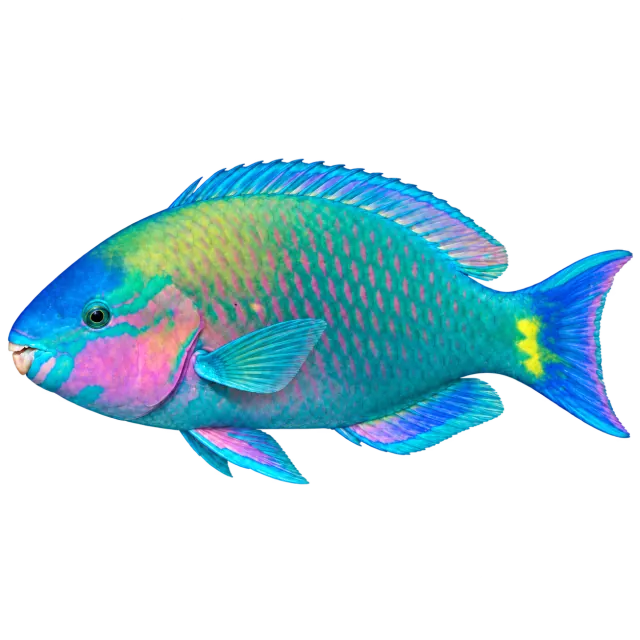
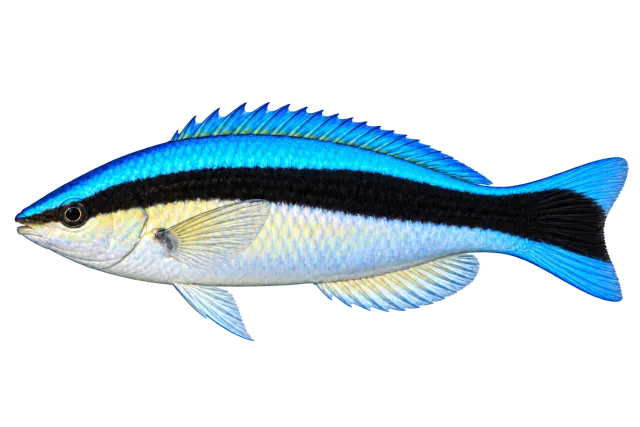
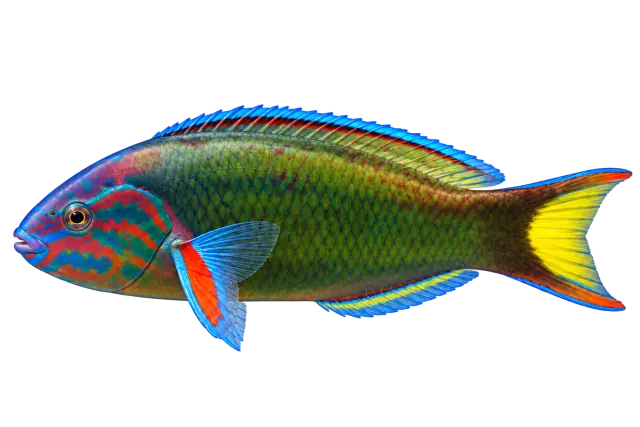
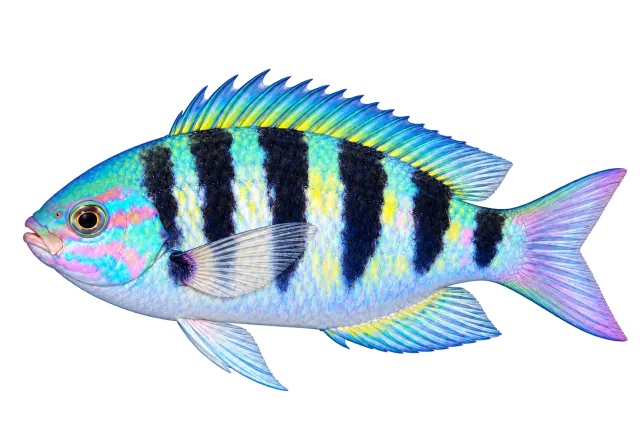
Ocean Stories2026.10.29新手潛水圖鑑Beginner’s field guide
海洋常見生物 100, 認識你的水下鄰居。100 common sea creatures: meet your underwater neighbours.
潛水時遇見的牠,你叫得出名字嗎?從魚身上的一條線、一個斑點開始,把每一次「好像看過」,變成「我認識牠」。Can you name what you met on your dive? Start from one stripe or one spot, and turn every “I think I’ve seen that” into “I know who that is”.
On your first dives you take in the whole sea. Look once more, and you start to get to know the creatures that live there.
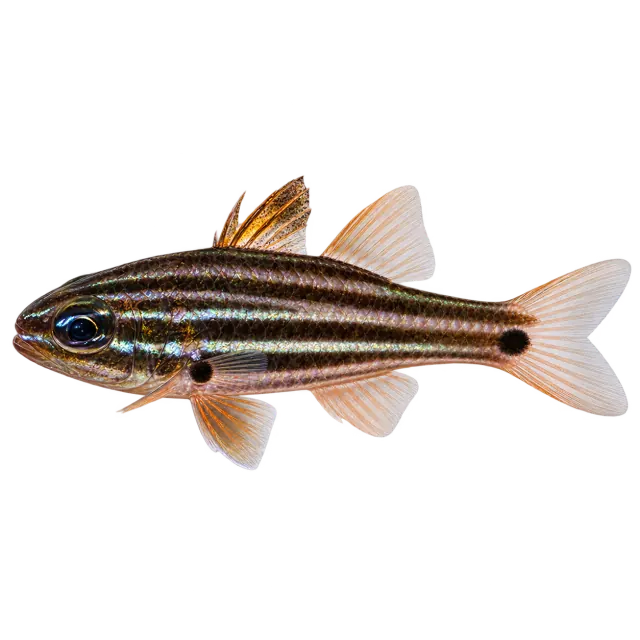
Sometimes the most memorable moment isn’t meeting something rare, but finally recognising the little fish that swims past every time. A black stripe, the barbels by its mouth, or the tail it shows as it turns are all clues to knowing the ocean.
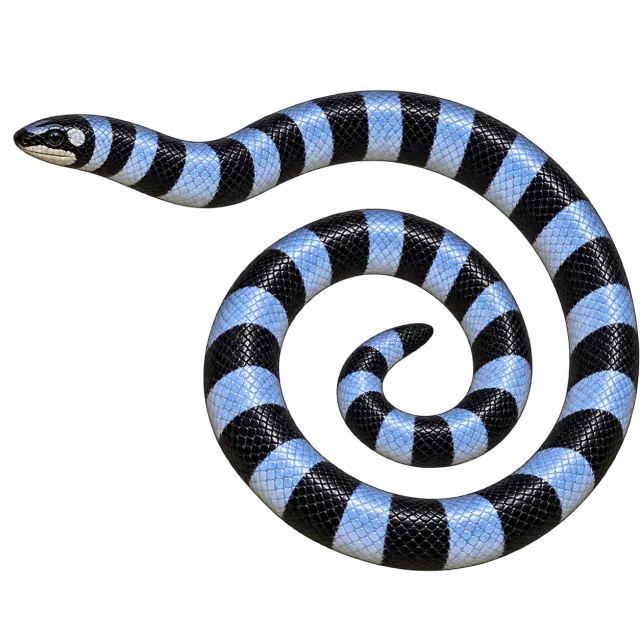
This guide is chosen with recreational diving and snorkelling in Taiwan in mind: 97 fishes, 2 sea turtles and 1 sea snake. Start with the look-alike pairs below, then read on by group and look for what you saw underwater today.
“Common” doesn’t mean every dive site has it
Region, habitat, season, time of day and the day’s conditions all change your chances. Take this as a starting point; there’s no rush to collect all 100.
SIMILAR, BUT DIFFERENT · 相似生物辨識SIMILAR, BUT DIFFERENT
長得很像,怎麼分?They look alike. How do you tell them apart?
把相似的生物放在一起看。先抓住最明顯的差異,再回到完整圖鑑比對。Side by side: catch the clearest difference first, then check against the full guide.
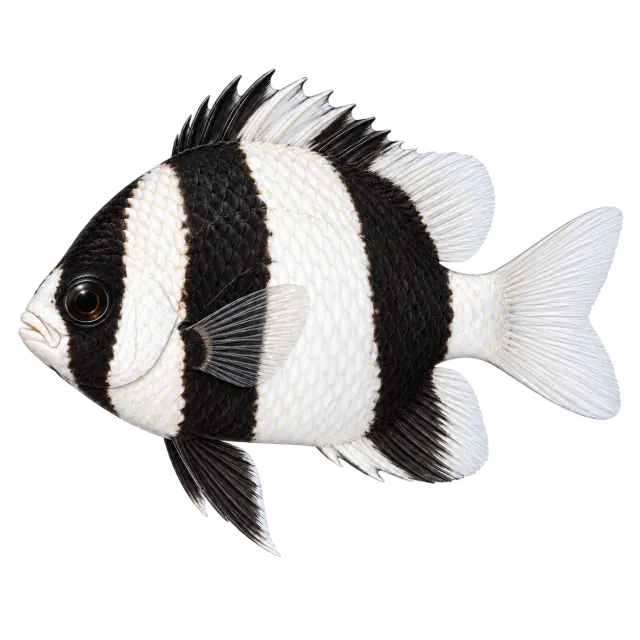
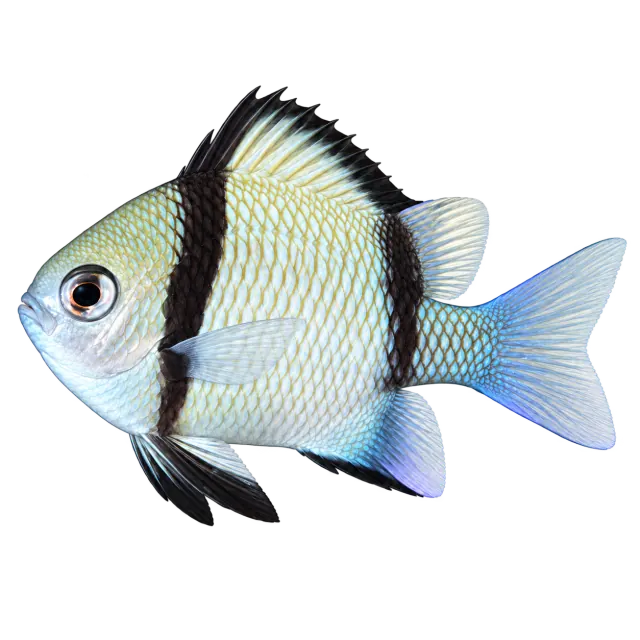
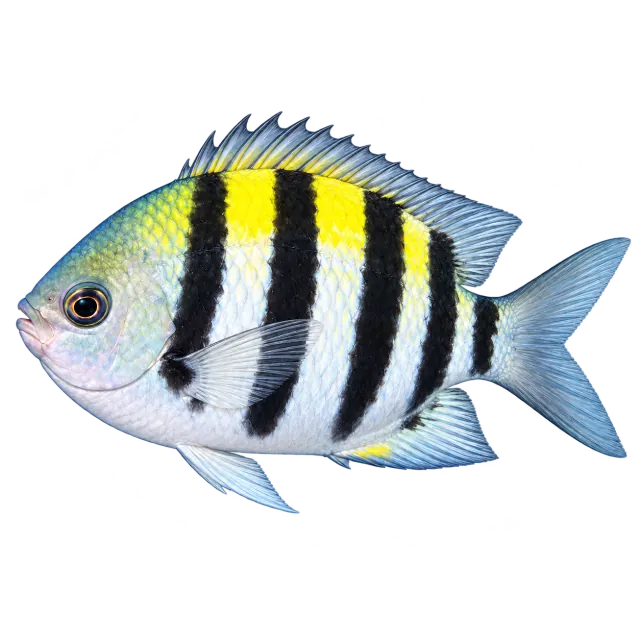
01都是黑白條紋,先數主要黑帶。Both black and white: count the main dark bars.
三帶圓雀鯛Whitetail dascyllus
Dascyllus aruanus
頭部與身體合計三條明顯黑帶。Three clear dark bars across the head and body.
尾鰭主要呈白色,黑白色塊清楚。Tail mostly white, with crisp black-and-white blocks.
網紋圓雀鯛Reticulate dascyllus
Dascyllus reticulatus
身體主要有兩條深色直帶。Mainly two dark bars on the body.
鱗片邊緣較深,形成細細的網紋感。Darker scale edges give a fine net-like look.
怎麼看:先看黑帶的位置與條數,再看鱗片邊緣。不要只用「黑白相間」判斷。How to tell: Check where the bars sit and how many there are, then the scale edges. “Black and white” alone isn’t enough.
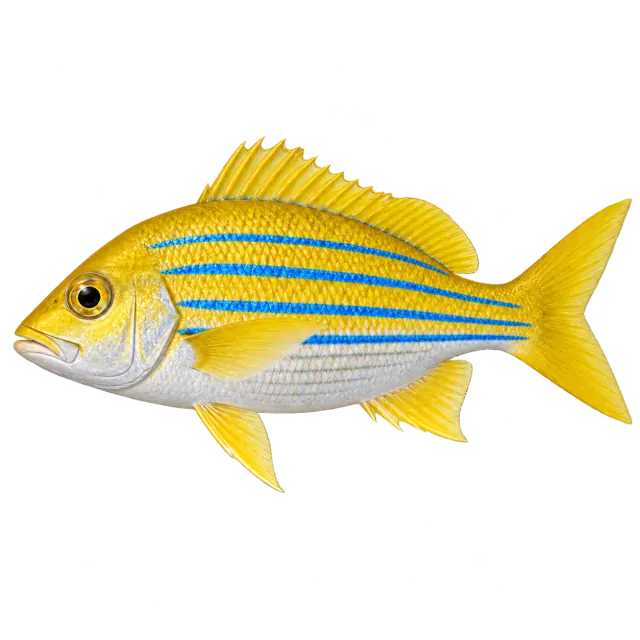
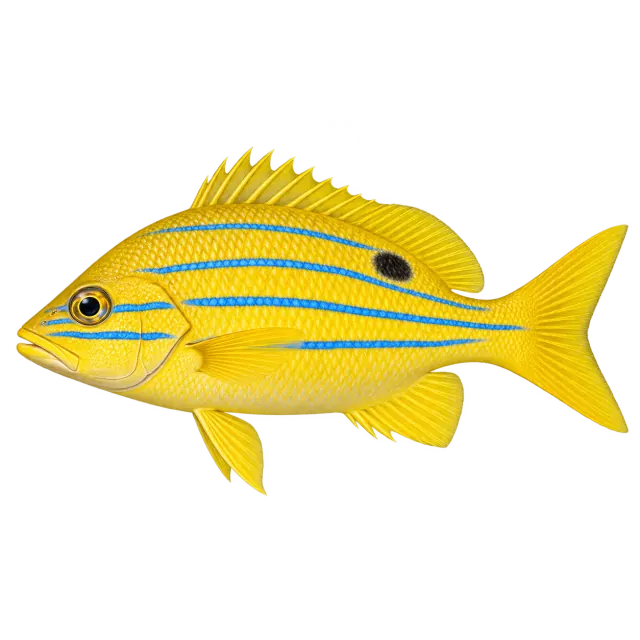
02都是黃身藍線,差在四線與五線。Yellow with blue lines: four or five?
四線笛鯛Common bluestripe snapper
Lutjanus kasmira
體側有四條主要藍色縱線。Four main blue lines along the side.
腹部偏銀白色,魚鰭多呈黃色。Silvery-white belly; fins mostly yellow.
五線笛鯛Five-lined snapper
Lutjanus quinquelineatus
體側有五條主要藍色縱線,腹部也偏黃色。Five main blue lines along the side; belly yellowish too.
體側後上方常有一個黑色斑點,可作輔助線索。Often a black spot high on the rear of the body, a helpful extra clue.
怎麼看:沿身體由上往下數藍線,再搭配腹部顏色與黑斑一起看;光線或姿態可能遮住部分線條。How to tell: Count the blue lines from top to bottom, together with belly colour and the black spot; light or posture can hide some lines.
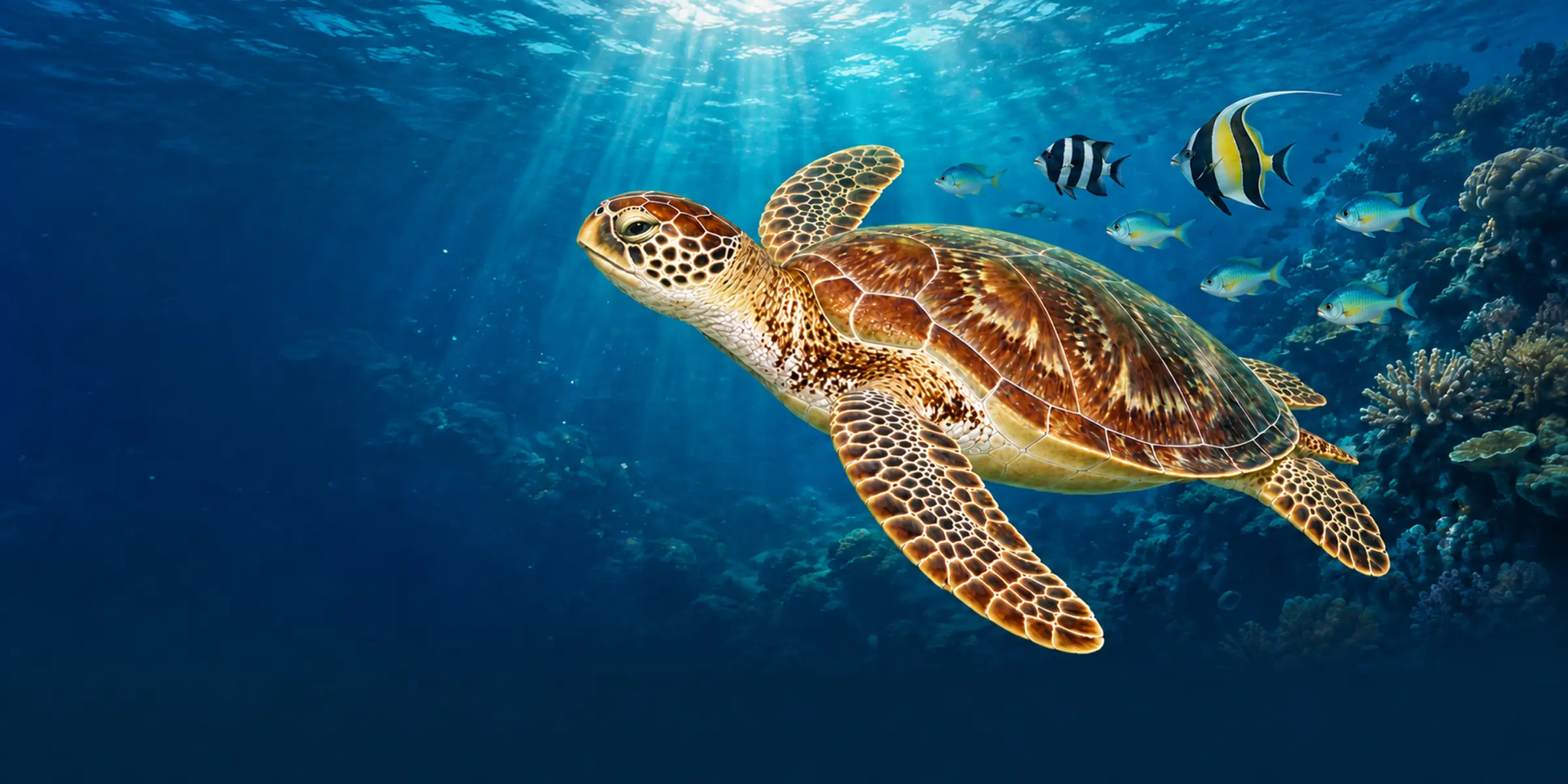
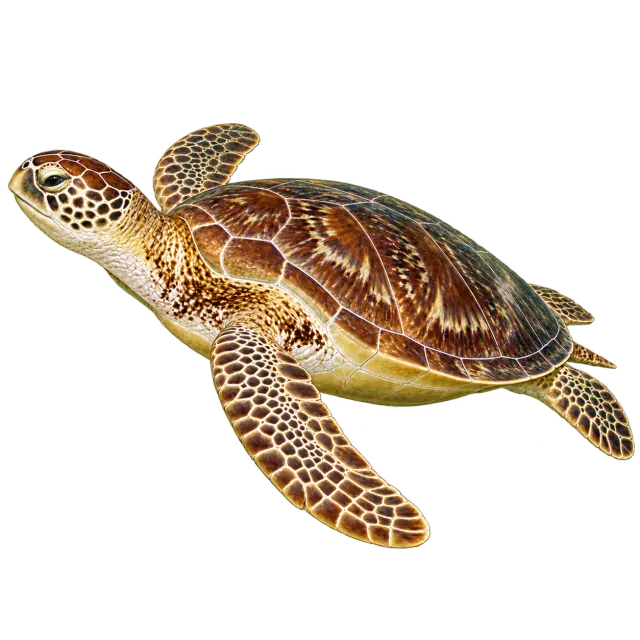
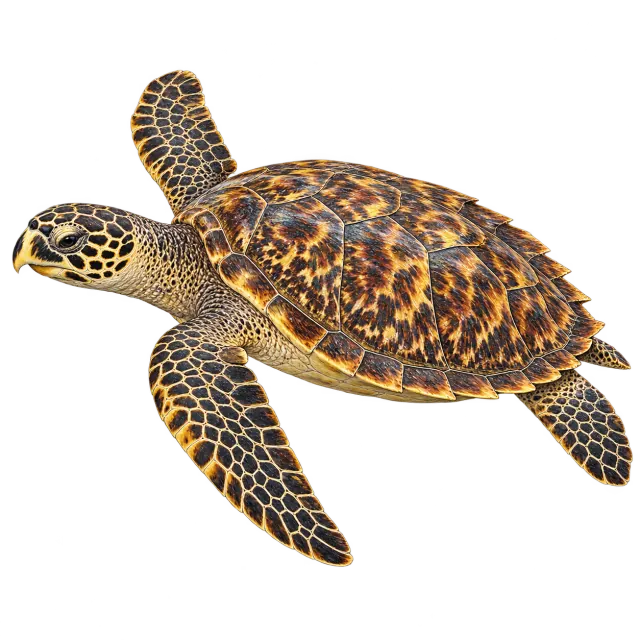
03同樣是海龜,先看嘴,再看背甲。Both sea turtles: look at the beak, then the shell.
綠蠵龜Green sea turtle
Chelonia mydas
吻部較圓鈍,不是明顯鉤狀。Rounded, blunt snout, not hooked.
背甲後緣相對平順;眼睛前方有一對前額鱗。Rear edge of the shell fairly smooth; one pair of scales between the eyes.
玳瑁Hawksbill sea turtle
Eretmochelys imbricata
吻部較尖,帶有像鳥喙的鉤狀輪廓。Pointed, hooked snout like a bird’s beak.
背甲後緣較鋸齒狀;眼睛前方有兩對前額鱗。Rear edge of the shell jagged; two pairs of scales between the eyes.
怎麼看:看頭部與背甲,比只看龜殼顏色更有方向。鱗片不一定能遠距看清,別為了辨識而靠近或攔路。How to tell: Head and shell tell you more than shell colour. The scales are hard to see from afar: never close in or block a turtle’s way to check.
THE FIELD GUIDE · 100 種海洋鄰居THE FIELD GUIDE · 100 UNDERWATER NEIGHBOURS
把剛剛見到的牠,找出來。Find the one you just saw.
依分類往下看,每張卡片都列出名稱、學名、棲息地與常見程度(星星越多越常見),方便回顧今天在水下的相遇。Browse by group. Each card gives the name, scientific name, habitat and how common it is (more stars, more common), to look back on today’s dive.
★★★★★常見程度:星星越多,代表在臺灣潛水時越常見到。How common: the more stars, the more often you’ll meet it diving in Taiwan.★★★★★較少見Less common★★★★★非常常見Very common
找不到「」Nothing found for “”
試試中文名、學名、科別或棲息地,例如「蝴蝶魚」「Chaetodon」「珊瑚礁」。Try a name, scientific name, family or habitat, e.g. “butterflyfish”, “Chaetodon” or “coral reefs”.
01
珊瑚叢旁的小小鄰居Little neighbours by the coral
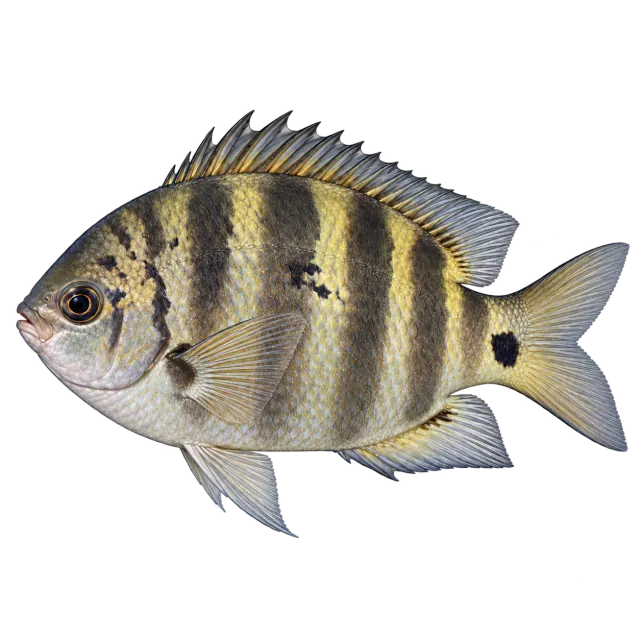
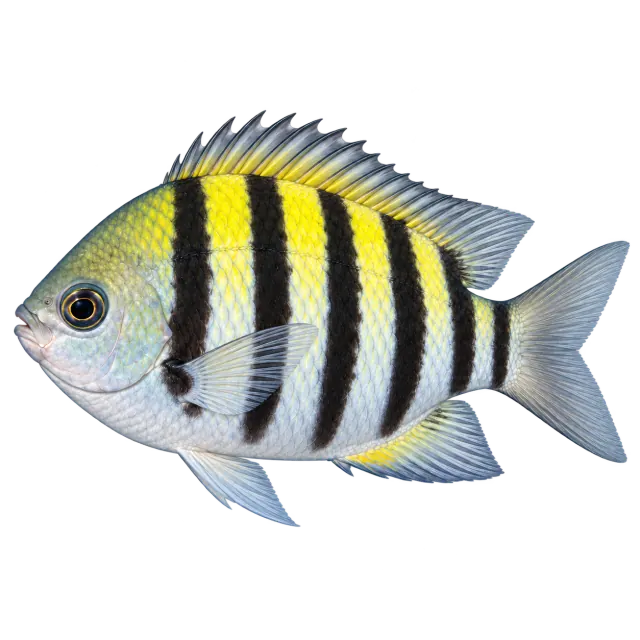
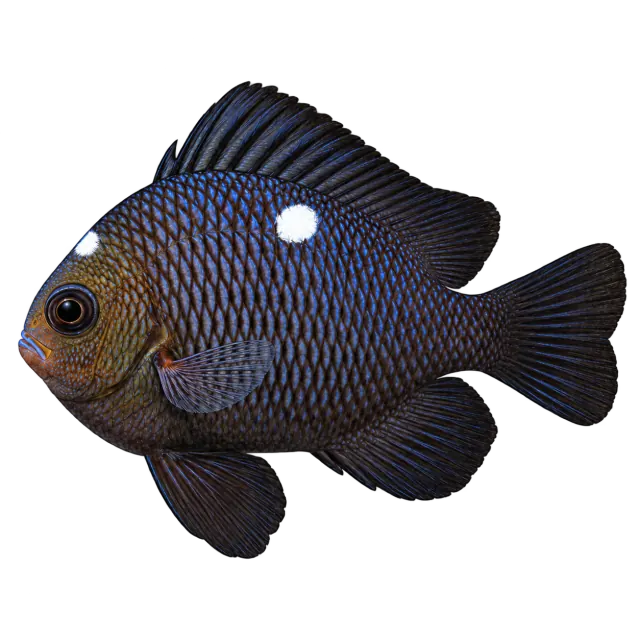
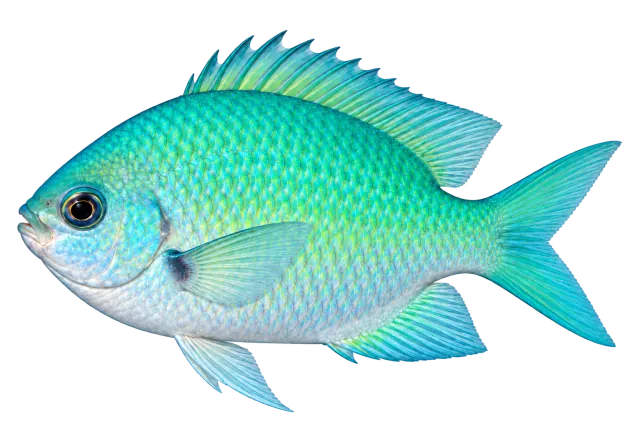
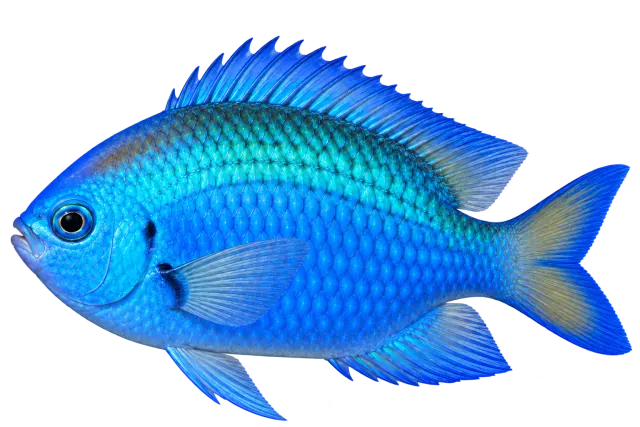
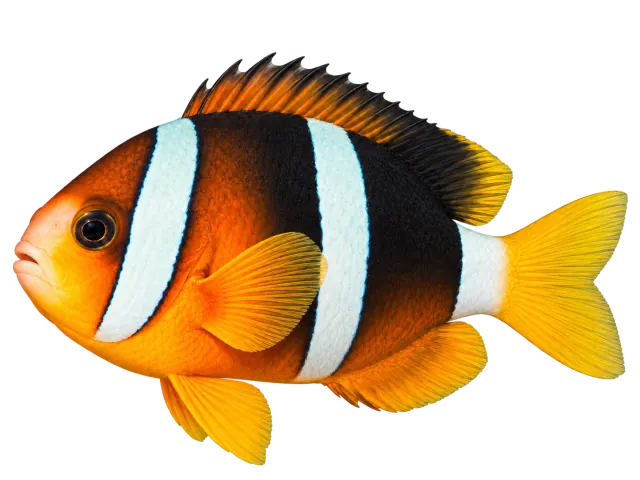
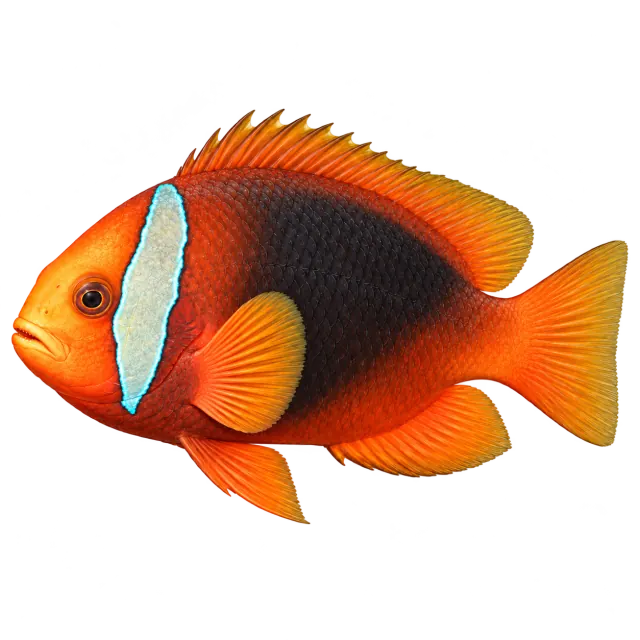
雀鯛與小丑魚Damselfishes & anemonefishes10 種10 species
先從體側的直條紋、斑點與色塊開始觀察。遇到魚群時,試著選定一隻,看清楚牠的完整輪廓。Start with the bars, spots and colour patches along the body. In a school, pick one fish and take in its whole outline.
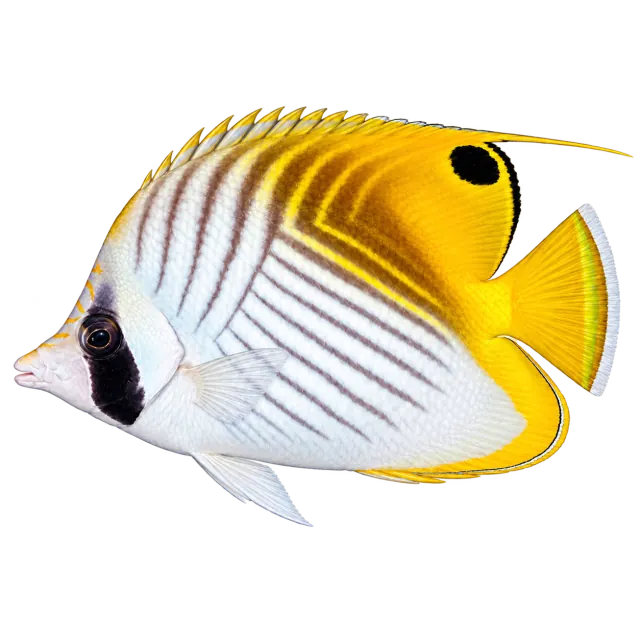
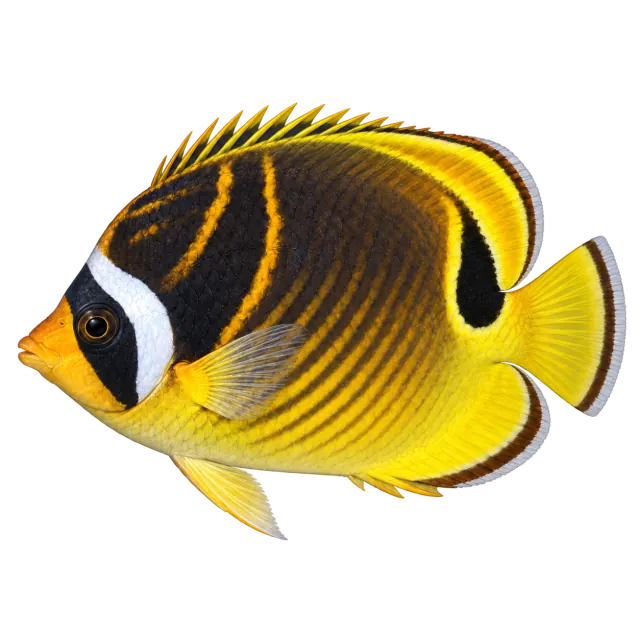
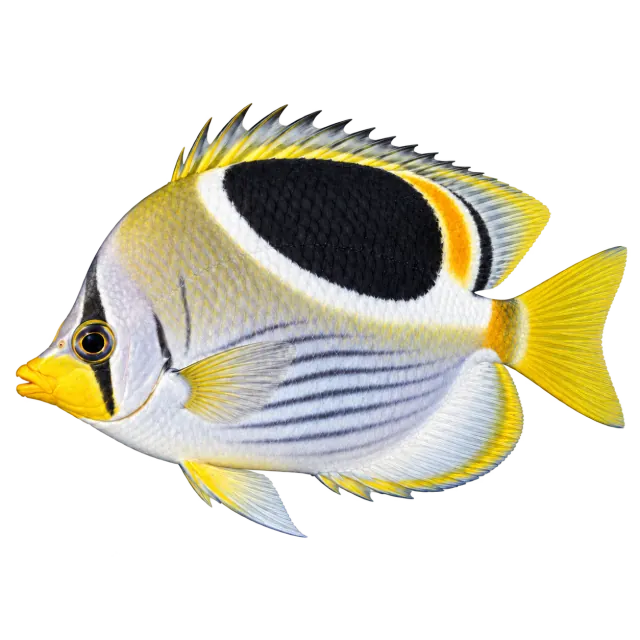
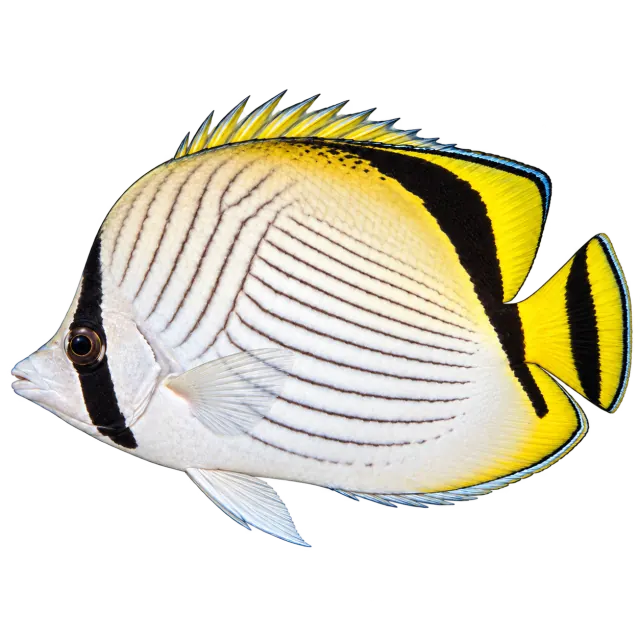
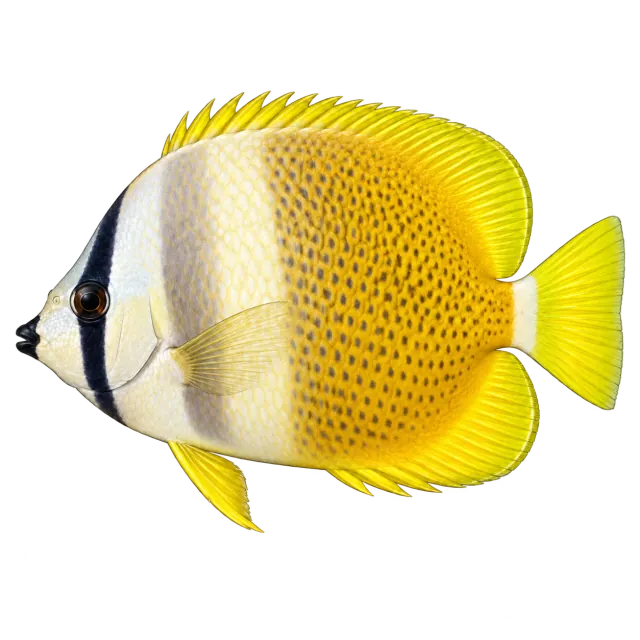
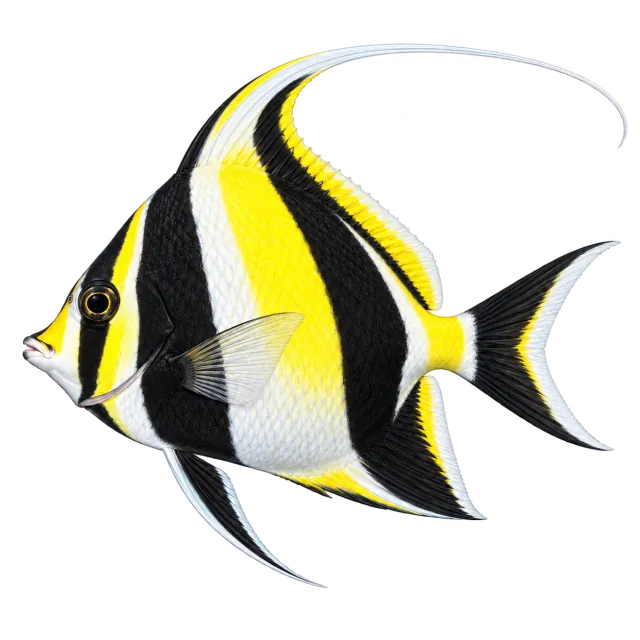
蝴蝶魚與角蝶魚Butterflyfishes & the Moorish idol10 種10 species
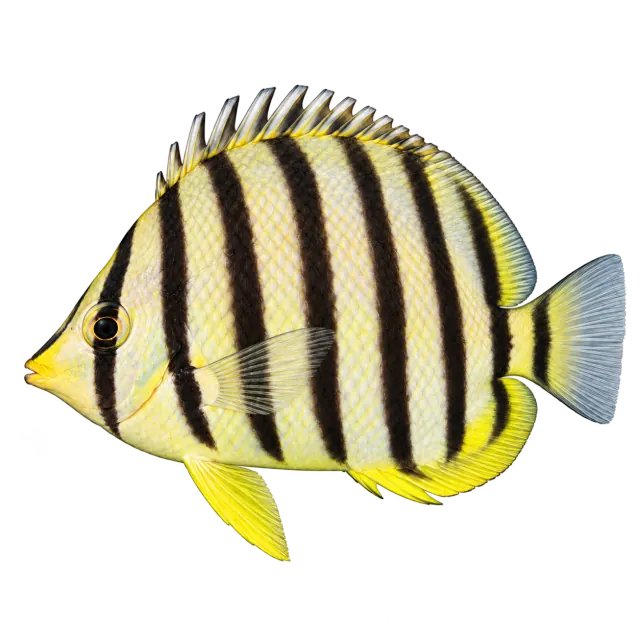
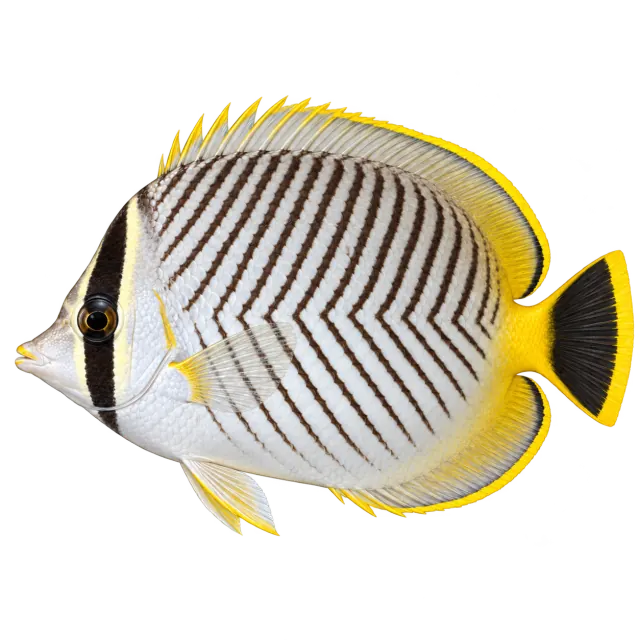
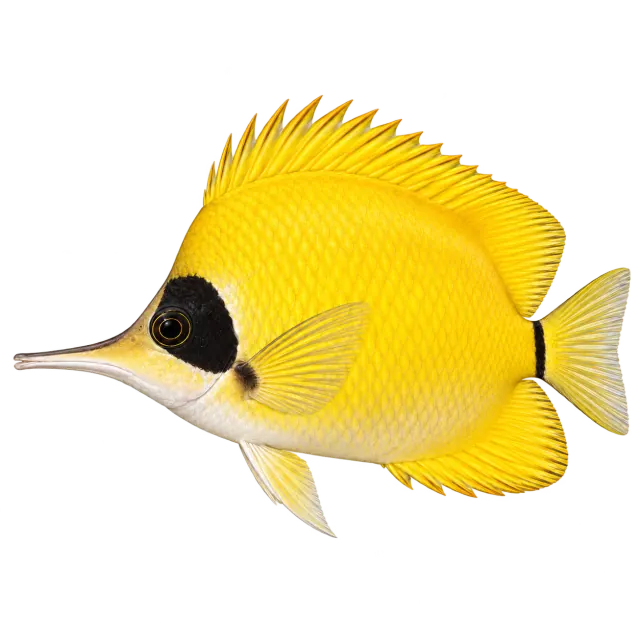
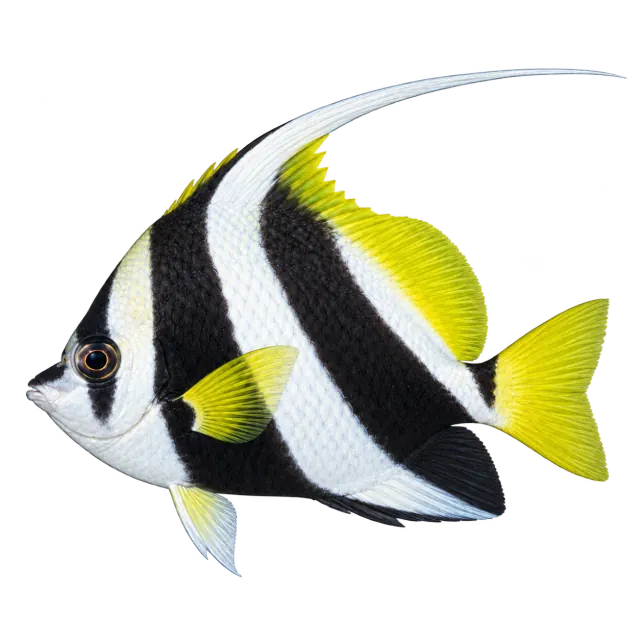
眼帶、尾部色塊、細長的吻部,都是可以留意的線索。別急著把所有黑白條紋的魚認成同一種。Eye bands, tail patches and long snouts are all clues. Don’t file every black-and-white striped fish as the same one.
這一組可以先留意嘴部形狀與身體比例,再看紋路。部分魚類會隨成長或性別呈現不同體色。Look at the mouth and the body’s proportions first, then the markings. Some change colour as they grow or with sex.
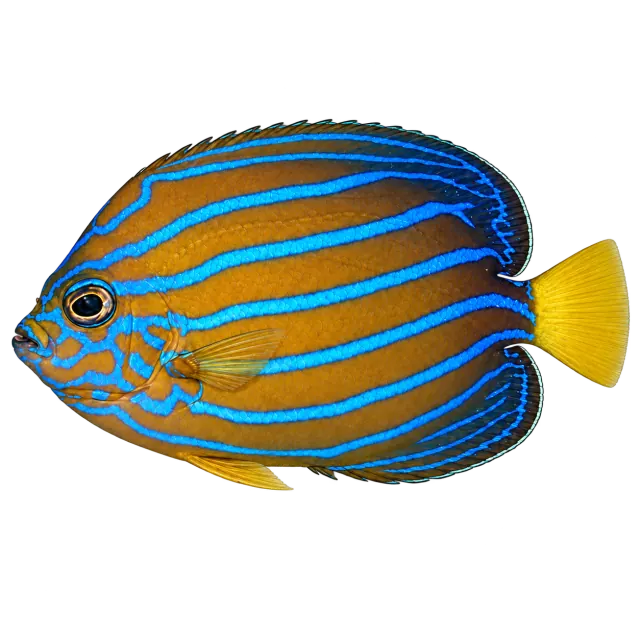
021
藍帶荷包魚Bluestriped angelfish
Chaetodontoplus septentrionalis
棲息地Habitat岩礁、珊瑚礁、礁洞周邊Rocky reefs, coral reefs, around reef caves
蓋刺魚科Angelfishes常見程度How common★★★★★
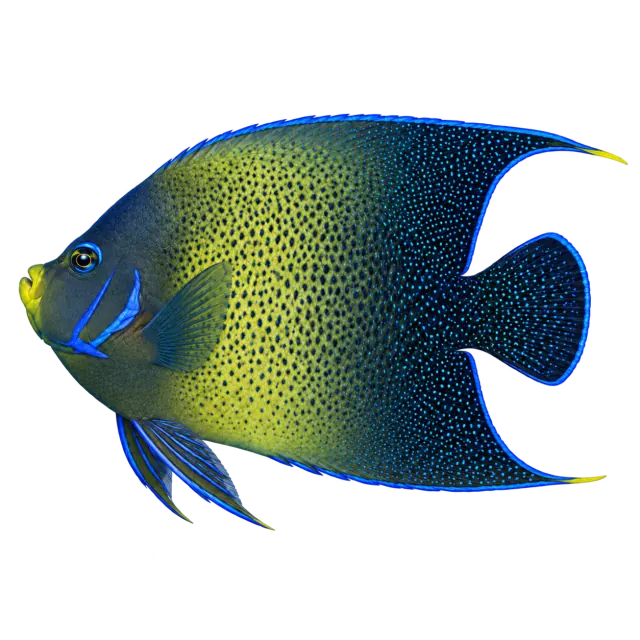
022
疊波蓋刺魚Semicircle angelfish
Pomacanthus semicirculatus
棲息地Habitat岩礁、珊瑚礁、礁洞周邊Rocky reefs, coral reefs, around reef caves
這組魚的外形與色彩變化豐富。觀察時,把頭部、身體花紋與尾鰭一起記下,比只記顏色更有幫助。Shapes and colours vary a lot here. Noting the head, body pattern and tail fin together helps more than colour alone.
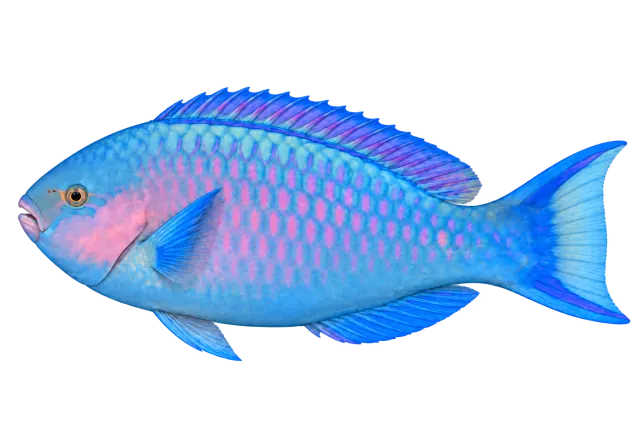
輪廓、尾柄與身體斑紋,是認識這一組的起點。即使從側面看很相像,也值得停下來比較細節。Outline, tail base and body markings are where to start. Even when they look alike side-on, the details are worth comparing.
條紋朝哪個方向?身上有幾條主要色帶?先記下方向,再看魚身和魚鰭的顏色。Which way do the stripes run, and how many main bands are there? Note the direction first, then body and fin colour.
046
三線磯鱸Chicken grunt
Parapristipoma trilineatum
棲息地Habitat岩礁、沙礁交界、礁區水層Rocky reefs, sand–reef edges, open water over reefs
石鱸科Grunts常見程度How common★★★★★
047
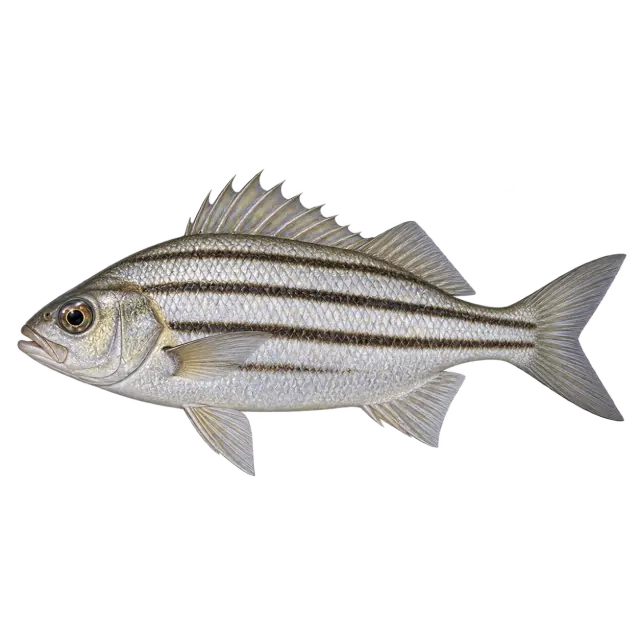
四帶雞魚Banded grunter
Pomadasys quadrilineatus
棲息地Habitat岩礁、沙礁交界、礁區水層Rocky reefs, sand–reef edges, open water over reefs
石鱸科Grunts常見程度How common★★★★★
048
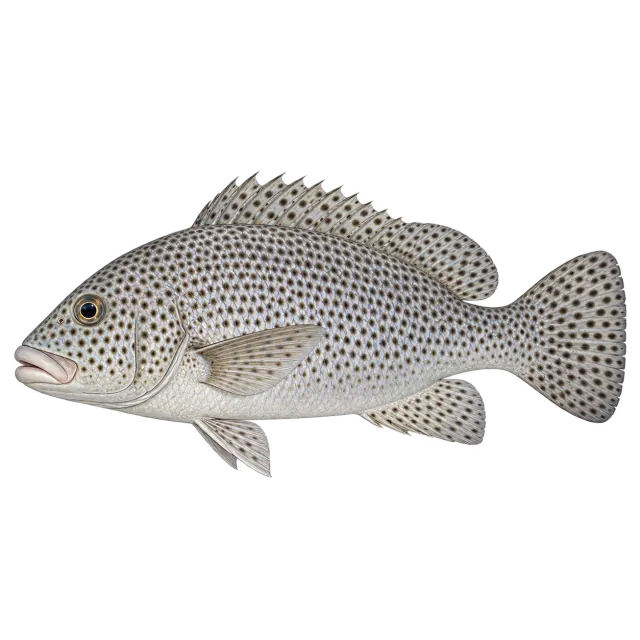
密點少棘胡椒鯛Painted sweetlips
Diagramma pictum
棲息地Habitat岩礁、沙礁交界、礁區水層Rocky reefs, sand–reef edges, open water over reefs
石鱸科Grunts常見程度How common★★★★★
049
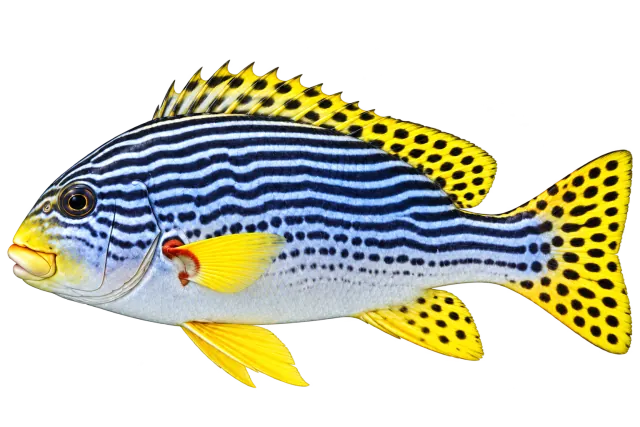
條紋胡椒鯛Diagonal-banded sweetlips
Plectorhinchus lineatus
棲息地Habitat岩礁、沙礁交界、礁區水層Rocky reefs, sand–reef edges, open water over reefs
石鱸科Grunts常見程度How common★★★★★
050
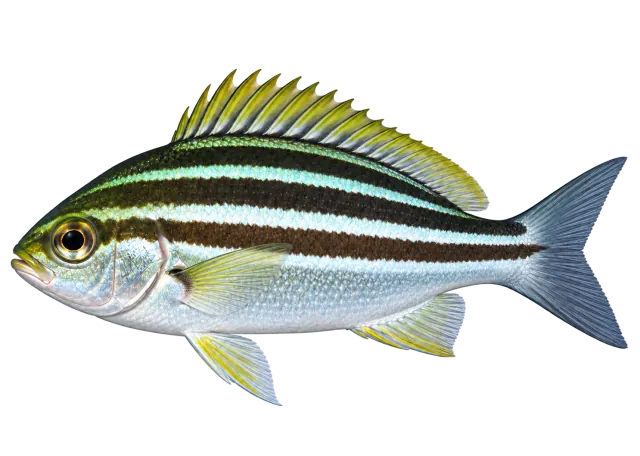
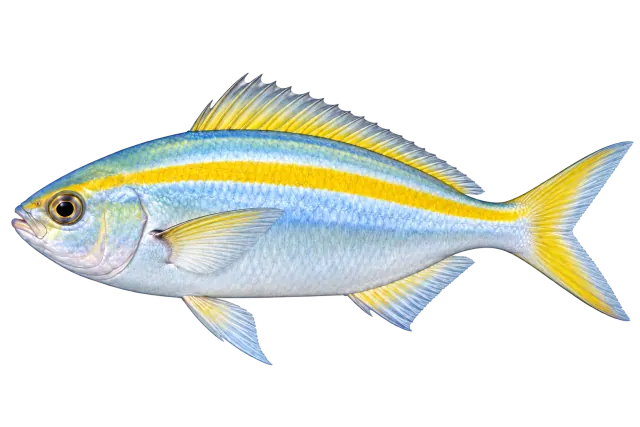
四線笛鯛Common bluestripe snapper
Lutjanus kasmira
棲息地Habitat珊瑚礁、潟湖、礁區水層Coral reefs, lagoons, open water over reefs
笛鯛科Snappers常見程度How common★★★★★
051
五線笛鯛Five-lined snapper
Lutjanus quinquelineatus
棲息地Habitat珊瑚礁、潟湖、礁區水層Coral reefs, lagoons, open water over reefs
笛鯛科Snappers常見程度How common★★★★★
08
嘴巴下方的小線索A clue under the chin
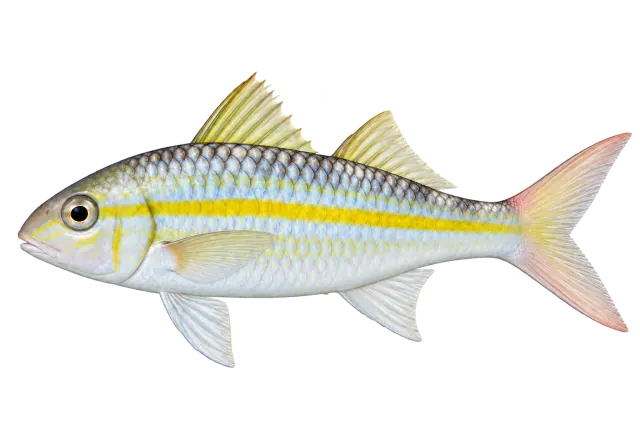
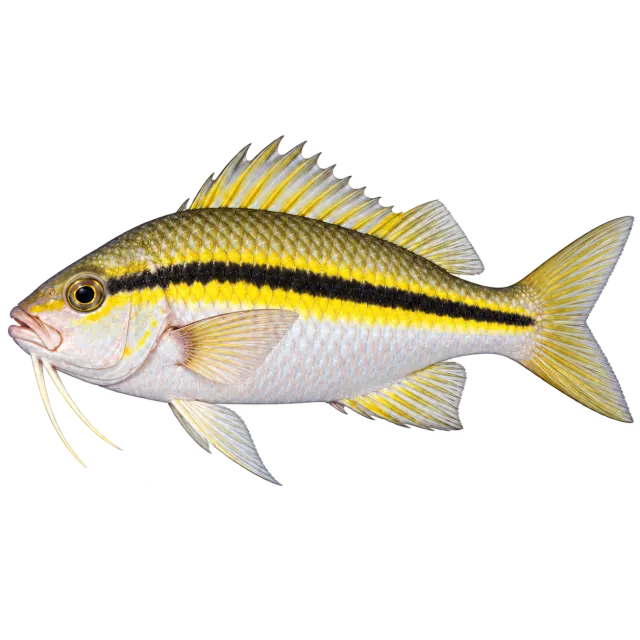
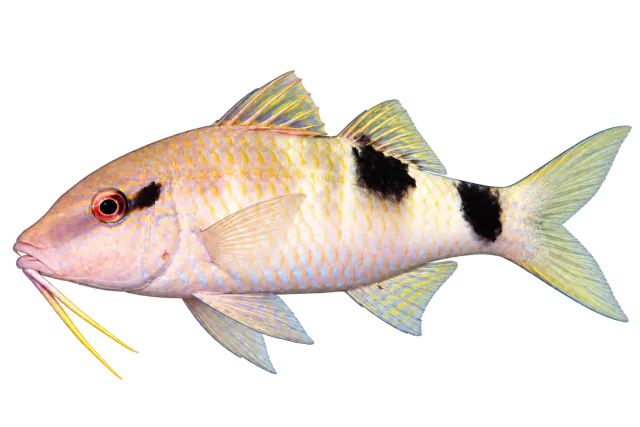
鬚鯛Goatfishes3 種3 species
除了身上的色帶,也可以留意下頷的鬚。觀察時保持距離,讓牠繼續原本的活動。Besides the body bands, look for the barbels under the jaw. Keep your distance and let them carry on feeding.
烏尾鮗、鰺與金梭魚Fusiliers, jacks & barracudas7 種7 species
別只看礁石。把視線從礁面移到周圍水層,觀察魚群的體形、尾鰭與游動輪廓。Don’t only watch the reef. Lift your eyes to the water around it and take in each school’s shape, tail and swimming outline.
055
烏尾鮗Blue and gold fusilier
Caesio caerulaurea
棲息地Habitat礁坡、外礁水層Reef slopes, open water off outer reefs
烏尾鮗類Fusiliers常見程度How common★★★★★
056
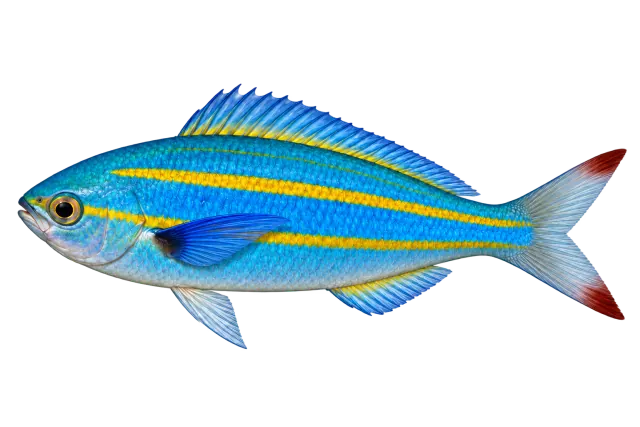
雙帶鱗鰭烏尾鮗Double-lined fusilier
Pterocaesio digramma
棲息地Habitat礁坡、外礁水層Reef slopes, open water off outer reefs
烏尾鮗類Fusiliers常見程度How common★★★★★
057
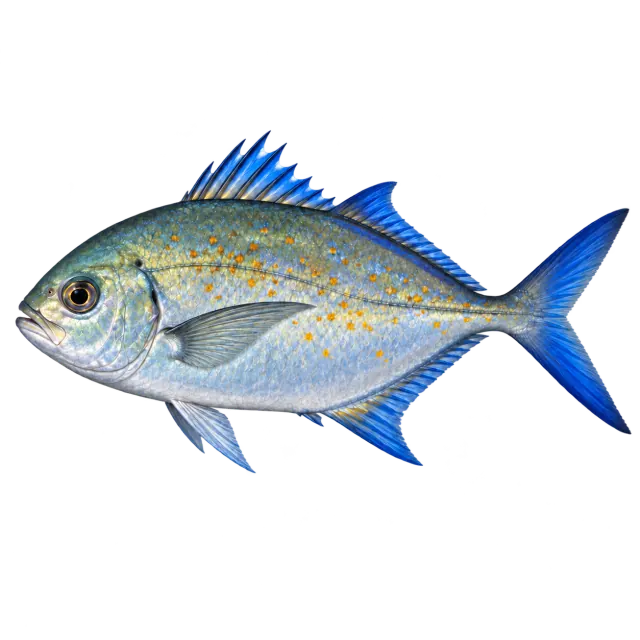
藍鰭鰺Bluefin trevally
Caranx melampygus
棲息地Habitat礁區水層、沙礁交界Open water over reefs, sand–reef edges
鰺科Jacks常見程度How common★★★★★
058
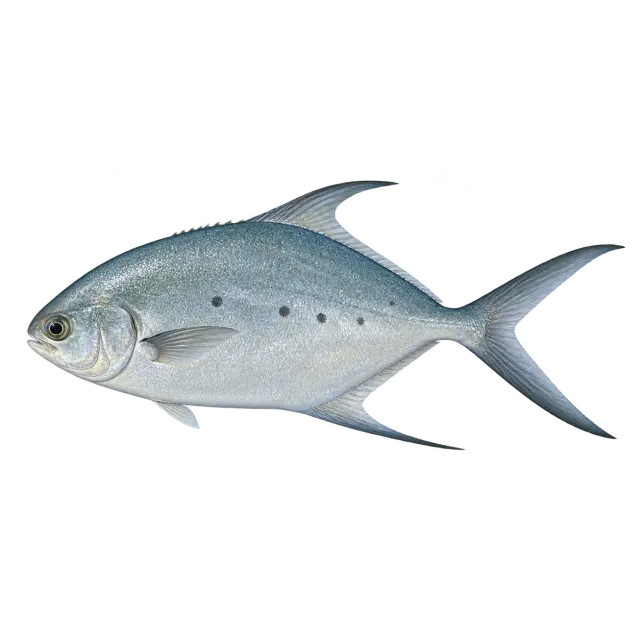
斐氏鯧鰺Small spotted dart
Trachinotus baillonii
棲息地Habitat沙地、沙灘浪區Sand, surf off sandy beaches
鰺科Jacks常見程度How common★★★★★
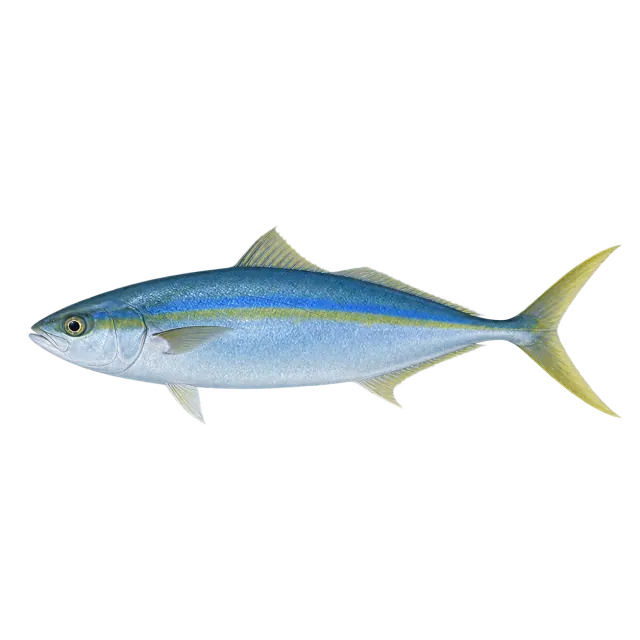
059
雙帶鰺Rainbow runner
Elagatis bipinnulata
棲息地Habitat開闊礁區水層Open water over reefs
鰺科Jacks常見程度How common★★★★★
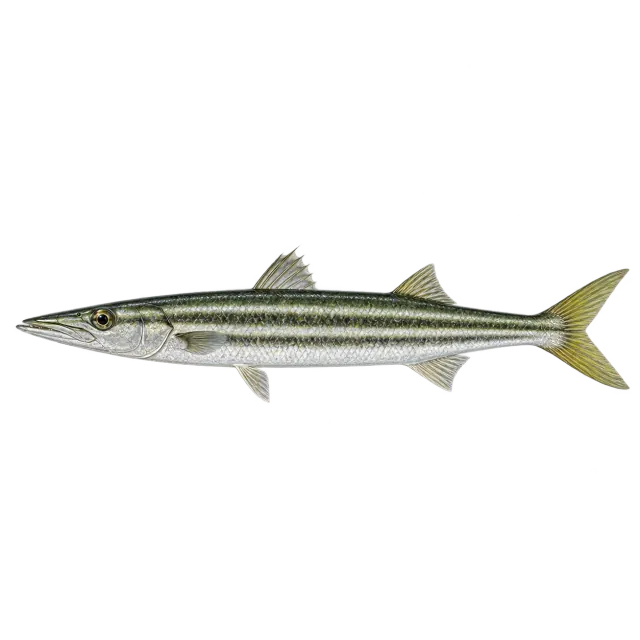
060
短金梭魚Obtuse barracuda
Sphyraena obtusata
棲息地Habitat近岸、開闊礁區水層Nearshore, open water over reefs
金梭魚科Barracudas常見程度How common★★★★★
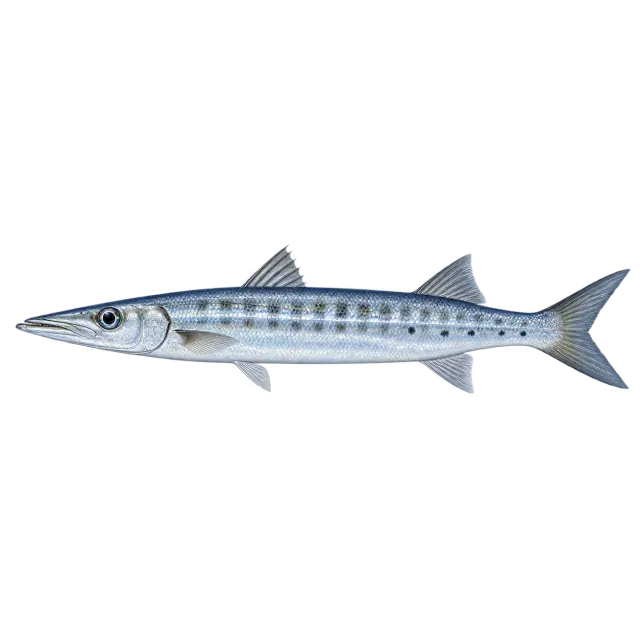
061
大眼金梭魚Bigeye barracuda
Sphyraena forsteri
棲息地Habitat近岸、開闊礁區水層Nearshore, open water over reefs
金梭魚科Barracudas常見程度How common★★★★★
10
陰影裡也藏著線索Clues in the shadows
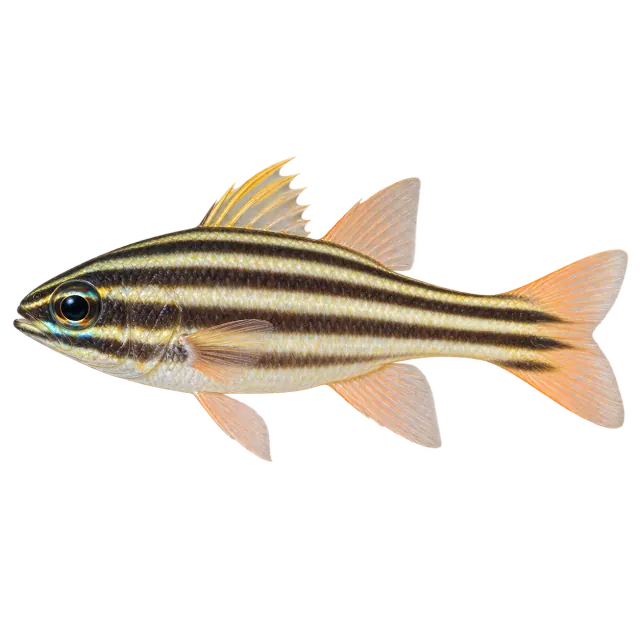
金鱗魚與天竺鯛Squirrelfishes & cardinalfishes5 種5 species
礁洞、岩縫與遮蔽處,是這一組值得留意的環境。停在外側觀察,讓眼睛適應明暗變化。Reef caves, crevices and overhangs are where to look. Stay outside and let your eyes adjust to the dark.
062
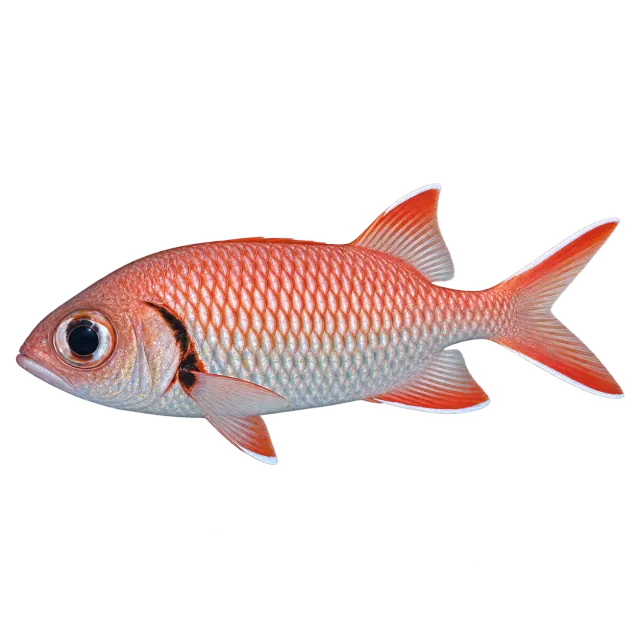
凸頜鋸鱗魚Blotcheye soldierfish
Myripristis berndti
棲息地Habitat礁洞、岩縫、遮蔭礁區Reef caves, rock crevices, shaded reefs
金鱗魚科Squirrelfishes常見程度How common★★★★★
063
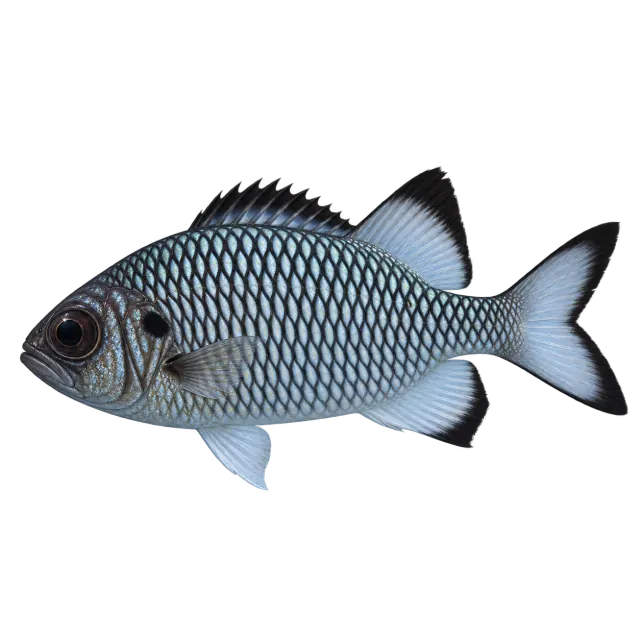
焦黑鋸鱗魚Shadowfin soldierfish
Myripristis adusta
棲息地Habitat礁洞、岩縫、遮蔭礁區Reef caves, rock crevices, shaded reefs
金鱗魚科Squirrelfishes常見程度How common★★★★★
064
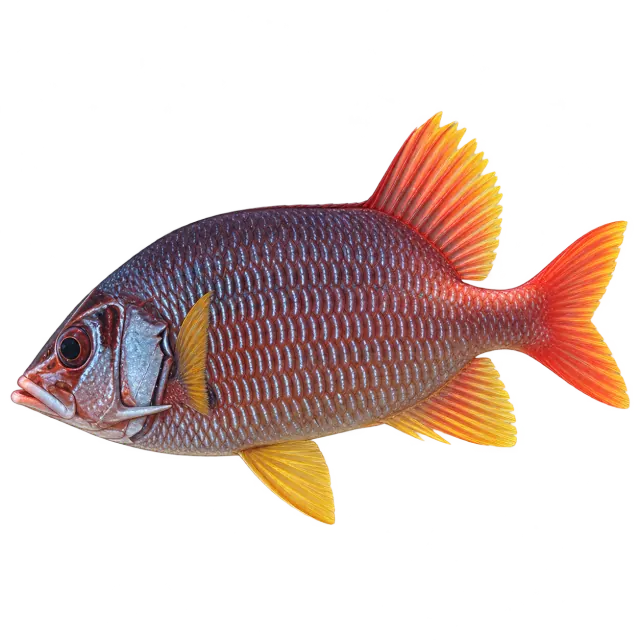
尖吻棘鱗魚Sabre squirrelfish
Sargocentron spiniferum
棲息地Habitat礁洞、岩縫、遮蔭礁區Reef caves, rock crevices, shaded reefs
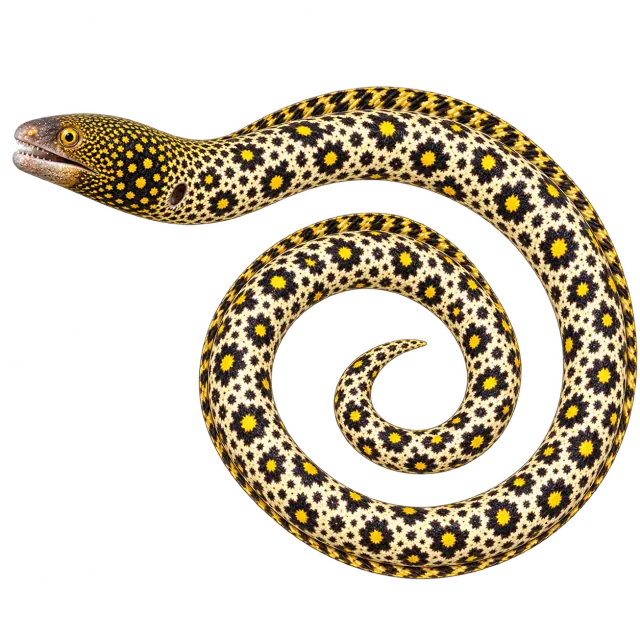
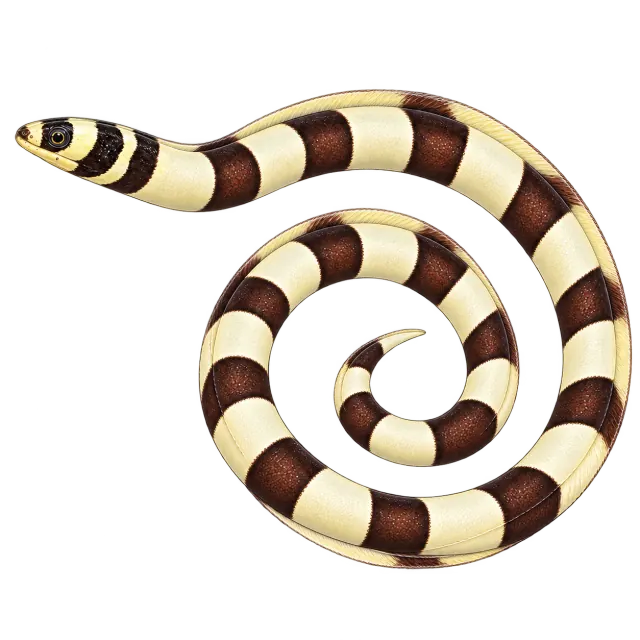
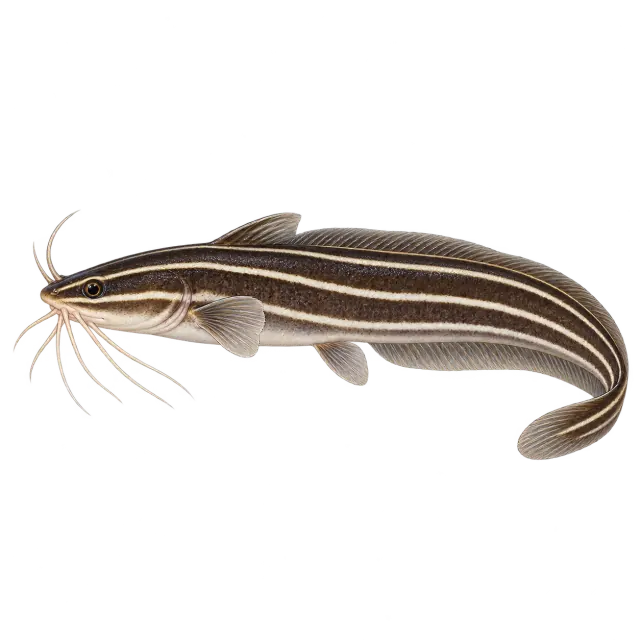
海鰻、蛇鰻與鰻鯰Morays, snake eels & eel catfish6 種6 species
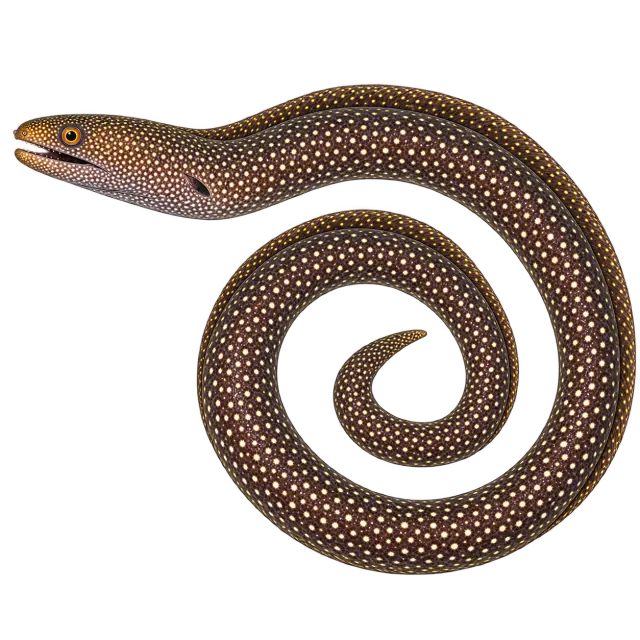
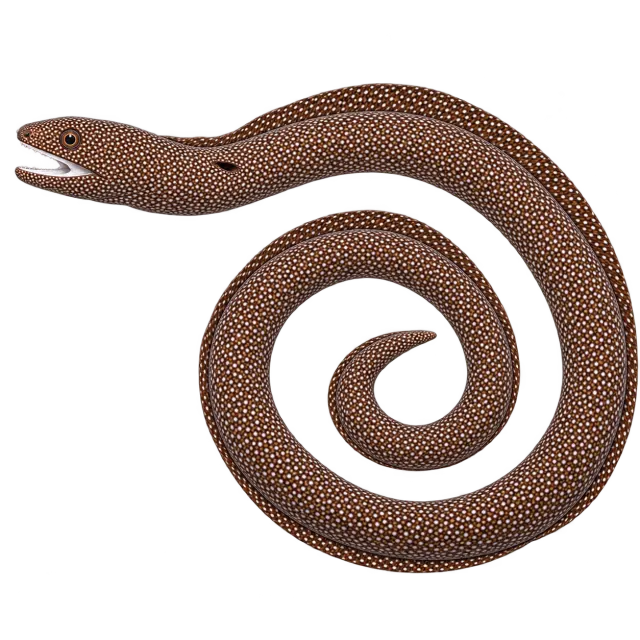
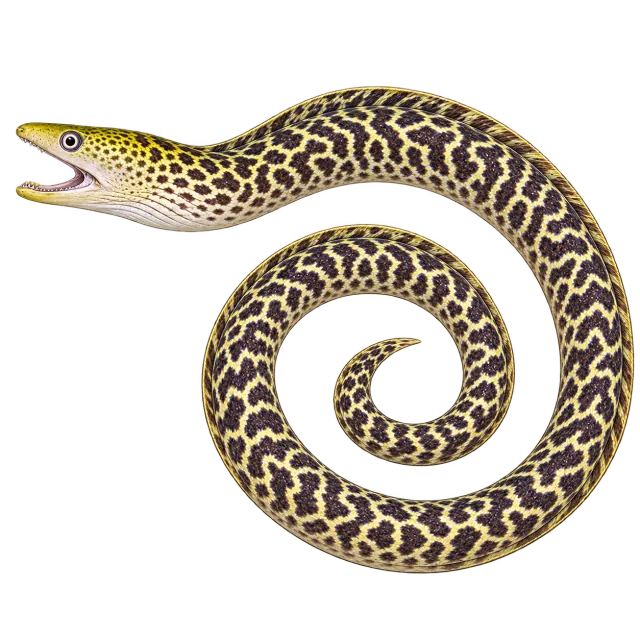
細小斑點、大塊斑紋、環帶與縱線,提供了不同的觀察起點。插圖為了呈現完整身形,部分採盤繞姿勢。Fine spots, big blotches, rings and stripes each give you a starting point. Some are drawn coiled to show the whole body.
067
黴身裸胸鯙Abbott's moray
Gymnothorax eurostus
棲息地Habitat礁洞、岩縫、石縫Reef caves, rock crevices, crevices
鯙科Morays常見程度How common★★★★★
068
白口裸胸鯙Turkey moray
Gymnothorax meleagris
棲息地Habitat礁洞、岩縫、石縫Reef caves, rock crevices, crevices
鯙科Morays常見程度How common★★★★★
069
疏斑裸胸鯙Undulated moray
Gymnothorax undulatus
棲息地Habitat礁洞、岩縫、石縫Reef caves, rock crevices, crevices
鯙科Morays常見程度How common★★★★★
070
星帶蝮鯙Snowflake moray
Echidna nebulosa
棲息地Habitat礁洞、岩縫、石縫Reef caves, rock crevices, crevices
鯙科Morays常見程度How common★★★★★
071
斑竹花蛇鰻Harlequin snake eel
Myrichthys colubrinus
棲息地Habitat沙地、沙礁交界Sand, sand–reef edges
蛇鰻科Snake eels常見程度How common★★★★★
072
線紋鰻鯰Striped eel catfish
Plotosus lineatus
棲息地Habitat近岸礁區、沙地Nearshore reefs, sand
鰻鯰科Eel catfishes常見程度How common★★★★★
12
練習看見融入背景的牠Learning to see what blends in
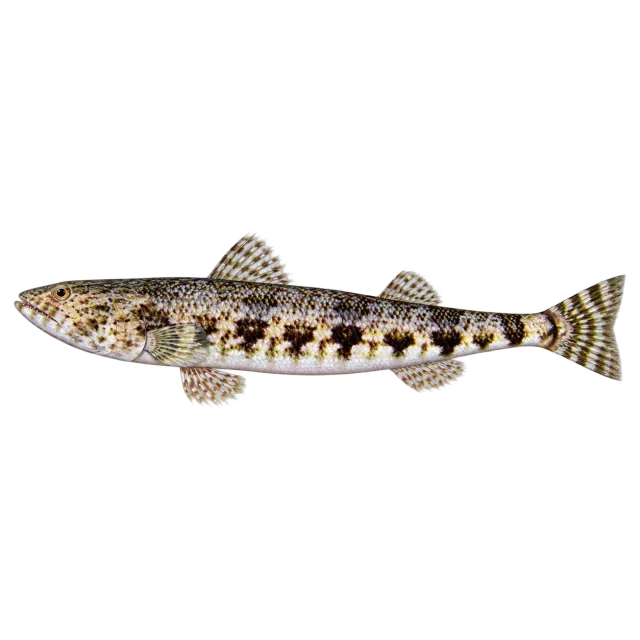
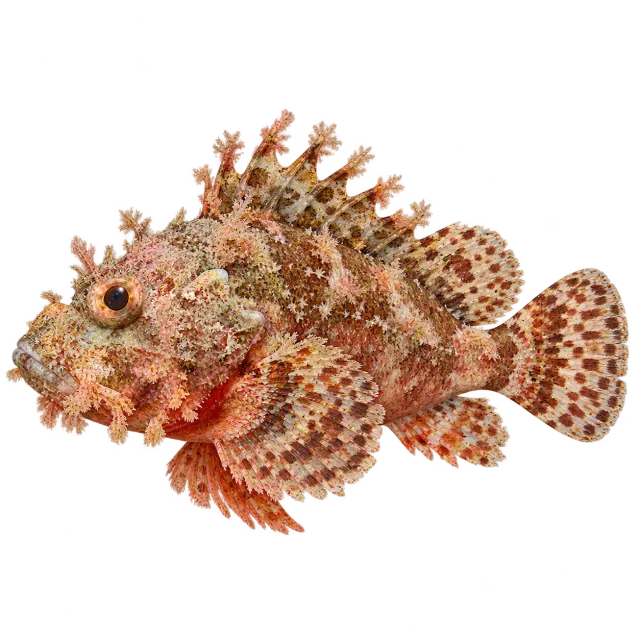
礁底魚與鮋類Bottom-dwellers & scorpionfishes10 種10 species
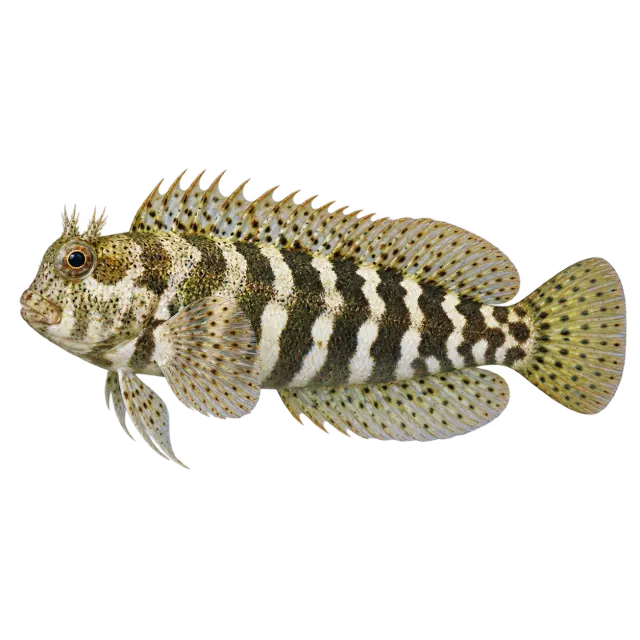
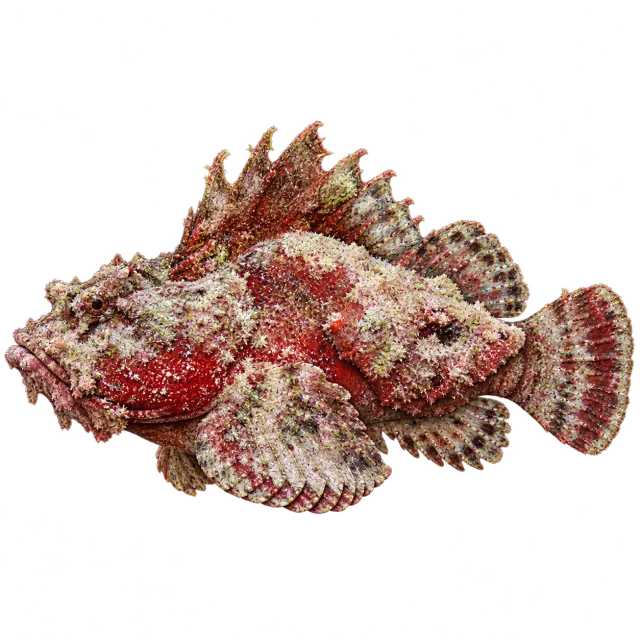
有些生物不靠鮮豔顏色吸引目光。試著看輪廓、眼睛的位置和魚鰭邊緣,也許會發現剛剛錯過的身影。Some don’t catch the eye with colour. Look for the outline, where the eyes are and the edges of the fins: you may spot one you just swam past.
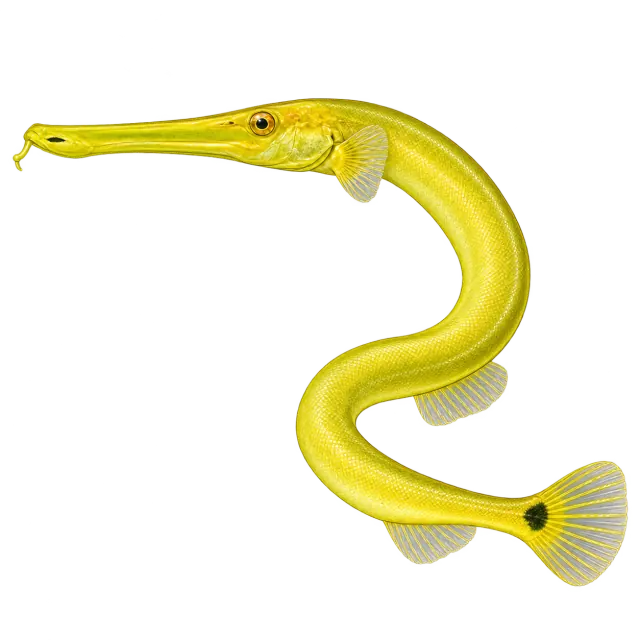
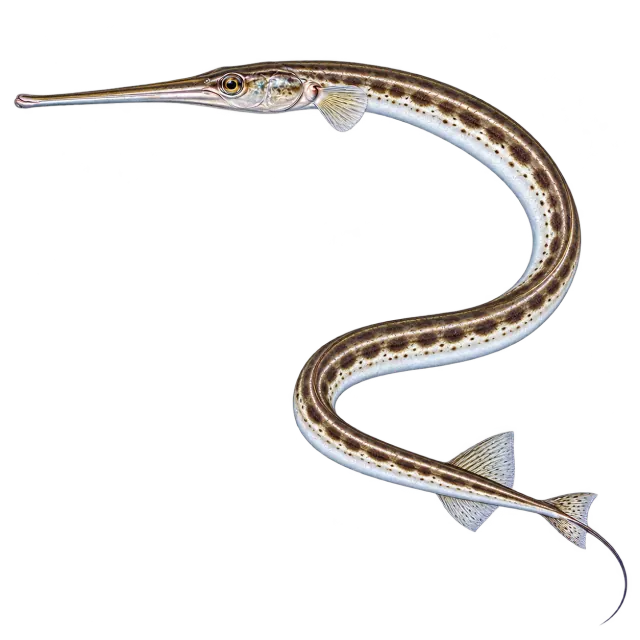
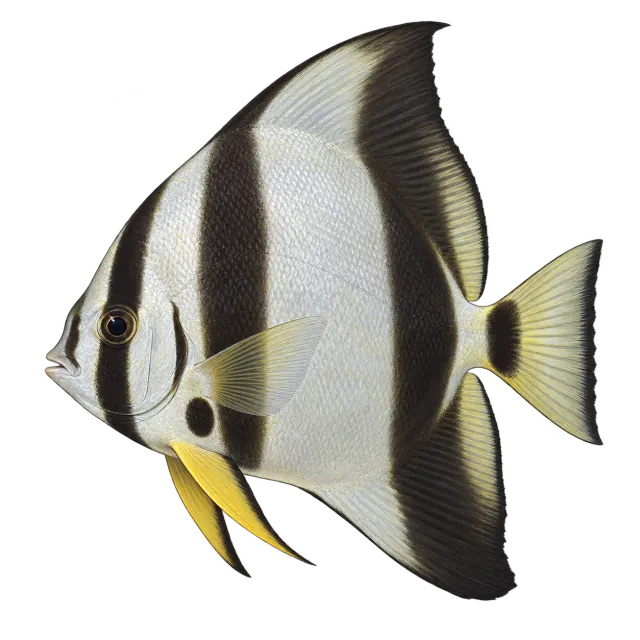
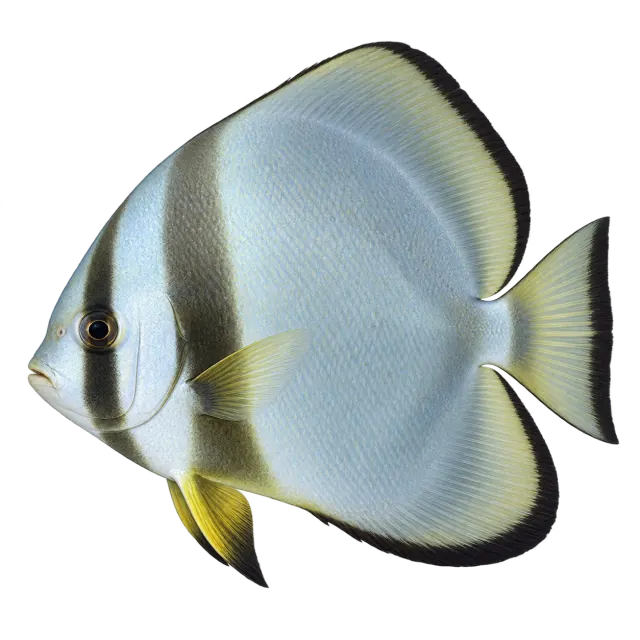
管口魚、馬鞭魚與燕魚Trumpetfish, cornetfish & batfishes4 種4 species
又長又細,或又高又扁?當比例很鮮明時,先用輪廓縮小範圍,再回頭比對細節。Long and thin, or tall and flat? When the shape is that distinctive, narrow it down by outline first, then check the details.
083
中華管口魚Chinese trumpetfish
Aulostomus chinensis
棲息地Habitat珊瑚礁、礁坡Coral reefs, reef slopes
管口魚科Trumpetfishes常見程度How common★★★★★
084
康氏馬鞭魚Bluespotted cornetfish
Fistularia commersonii
棲息地Habitat淺礁、沙地上方Shallow reefs, above sand
馬鞭魚科Cornetfishes常見程度How common★★★★★
085
尖翅燕魚Longfin batfish
Platax teira
棲息地Habitat礁區水層、潟湖、港灣Open water over reefs, lagoons, harbours
白鯧類/燕魚Batfishes常見程度How common★★★★★
086
圓眼燕魚Orbicular batfish
Platax orbicularis
棲息地Habitat礁區水層、潟湖、港灣Open water over reefs, lagoons, harbours
白鯧類/燕魚Batfishes常見程度How common★★★★★
14
每一種都有自己的輪廓Each with its own outline
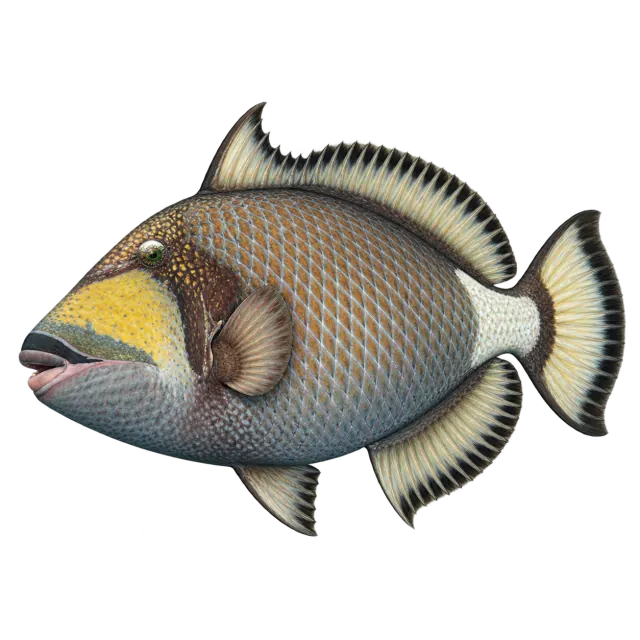
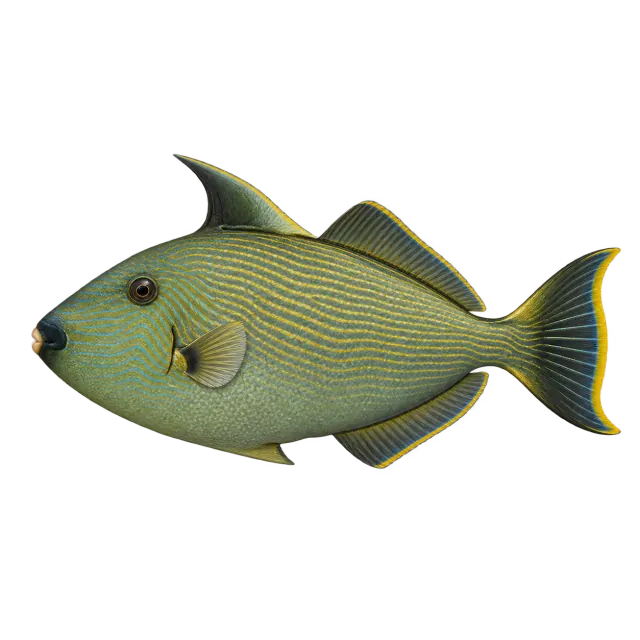
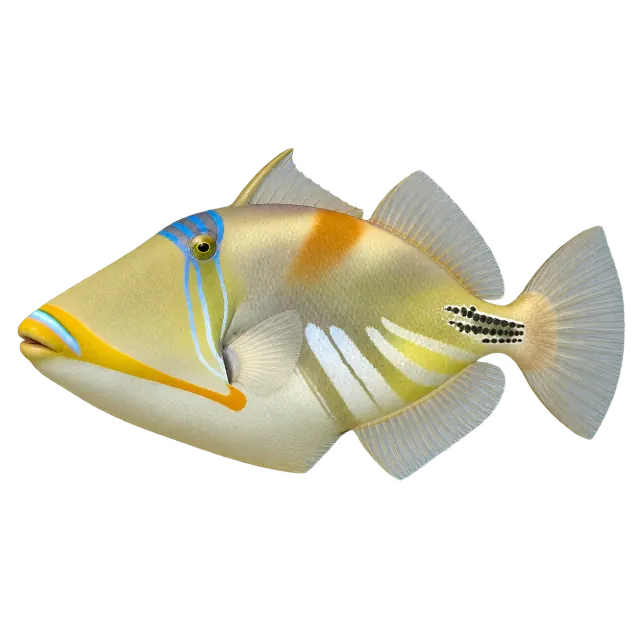
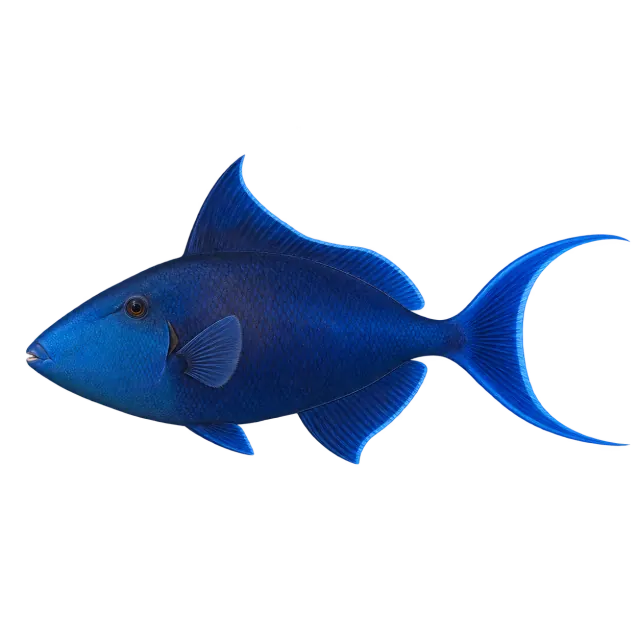
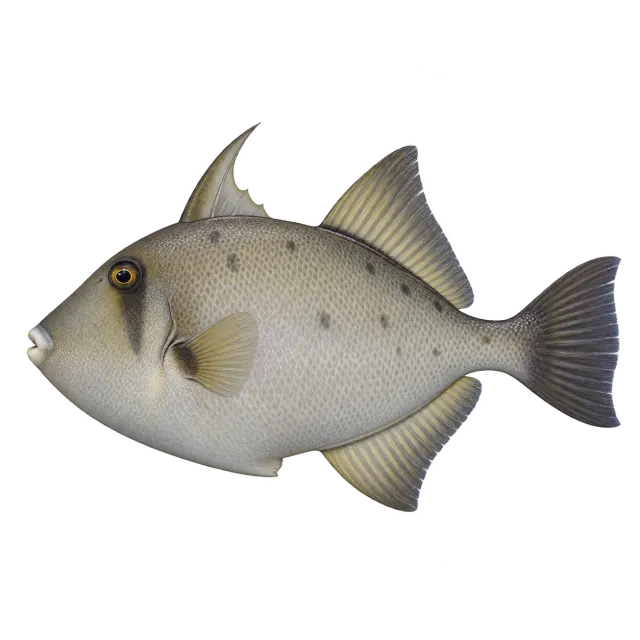
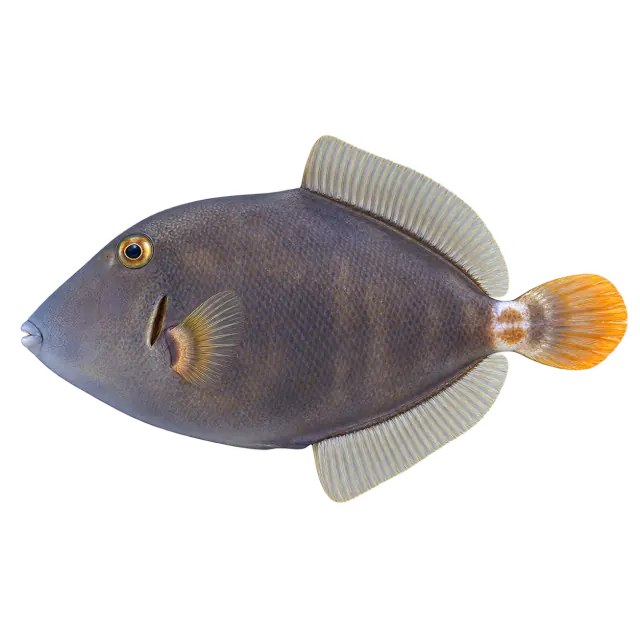
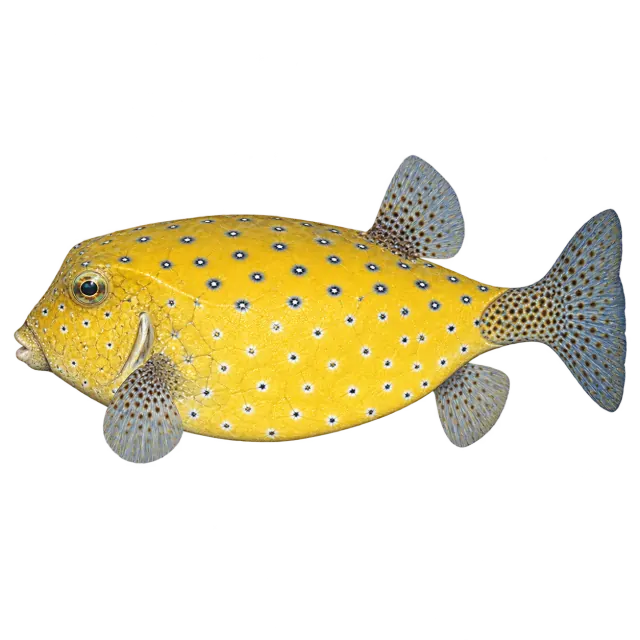
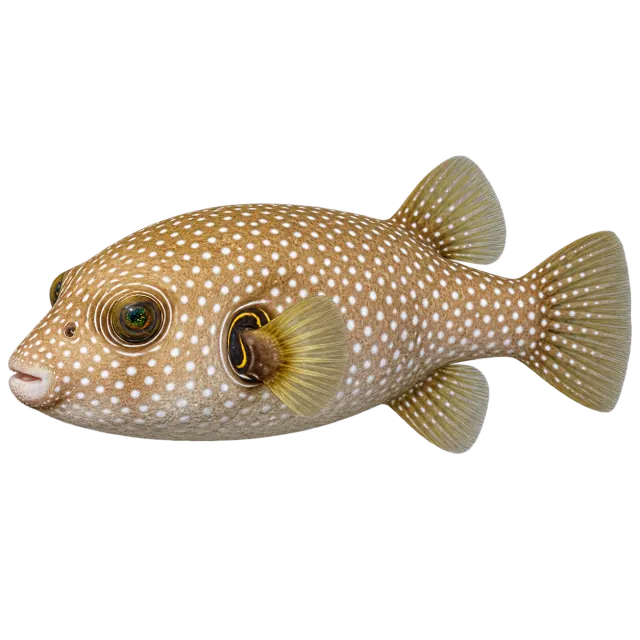
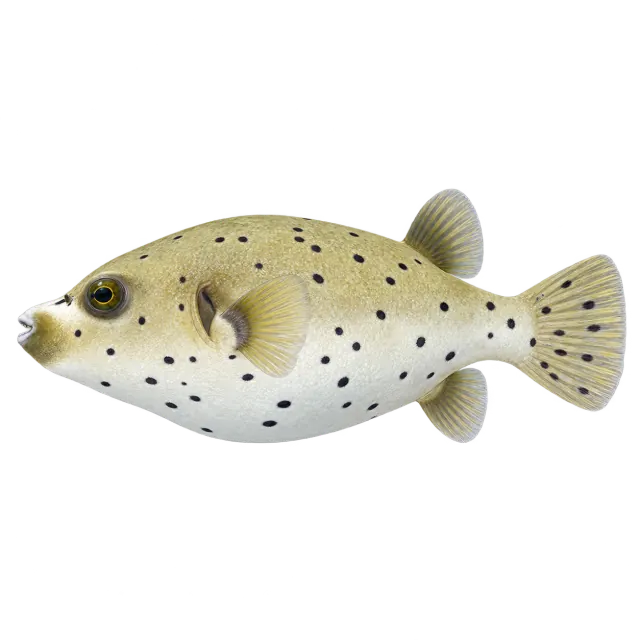
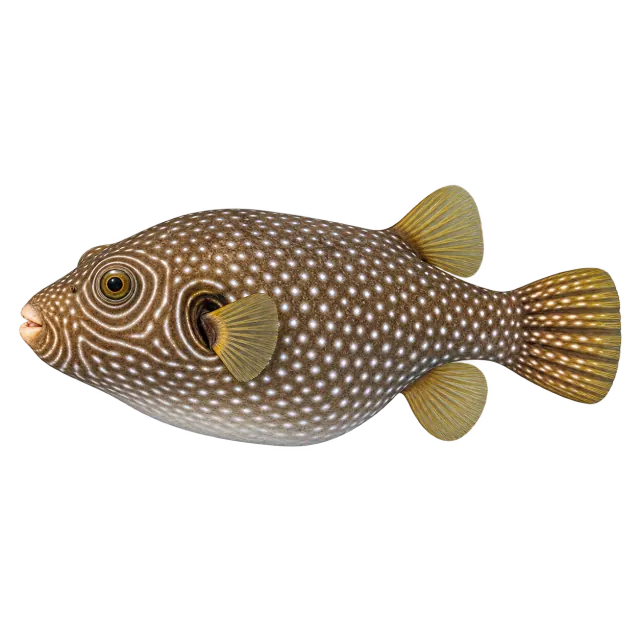
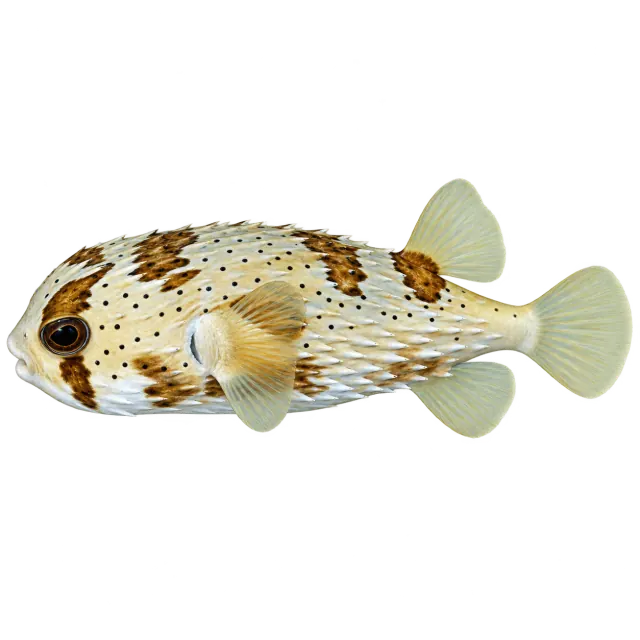
鱗魨、箱魨與河魨Triggerfishes, boxfish & puffers11 種11 species
看似圓潤的一組,也有截然不同的嘴部、體形與花紋。不要為了拍照而追逐、碰觸或讓生物膨脹。A roundish-looking group with very different mouths, shapes and patterns. Never chase, touch or make one puff up for a photo.
看見海龜或海蛇時,先保持距離、讓出行進路線。觀察牠們原本的行為,就是這次相遇最好的紀錄。When you meet a turtle or sea snake, keep your distance and leave its way clear. Watching what it does is the best record of the moment.
These are illustrations to help beginners, not an expert identification. If two look alike, a photo is unclear or you’re not sure, “not yet confirmed” is a fine answer. Check against the Fish Database of Taiwan, good photos and experts.
Species, names, scientific names, habitats and how common each is follow AquaGo’s species sheet. Fishes can be checked in the Fish Database of Taiwan; for turtles see NOAA on the green turtle and the hawksbill. Updated 29 October 2026.
This guide is for reference only and may still contain mistakes. If you spot something written or drawn wrong, please let us know and we’ll check and update it.